


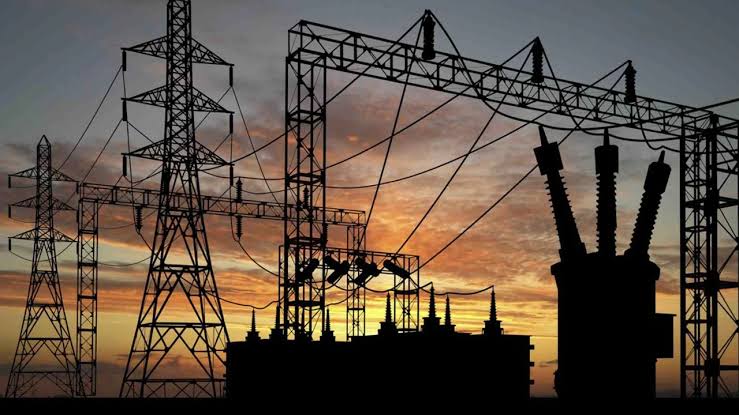
Residents of the Federal Capital Territory (FCT) have expressed optimism that electricity supply across Nigeria will improve following the Federal Government’s approval of ₦3.3 trillion to settle outstanding debts owed to power generation companies.
The development is part of efforts under the Presidential Power Sector Financial Reforms Programme, aimed at resolving long-standing financial challenges in the electricity sector.
In a statement, Bayo Onanuga, Special Adviser to President Bola Ahmed Tinubu on Information and Strategy, confirmed that the fund was approved to clear verified legacy debts accumulated between February 2015 and March 2025.
According to him, the payment represents a final and transparent resolution of obligations that have hindered the performance of power generation companies (GenCos) for years.
Residents React to Debt Settlement Plan
Several Abuja residents who spoke on the development believe the move could significantly improve power supply nationwide.
An engineer based in Orozo Pius Ogiemudia, said clearing the debts would enable GenCos to meet their financial obligations, particularly payments for gas supply.
He explained that improved gas availability is critical, as thermal plants account for about 70 percent of Nigeria’s electricity generation
Similarly, Stephen Adelaja an accountant in Kuje, noted that resolving the debt issue could reduce frequent load shedding and minimise grid instability.
He added that many households and businesses have endured unreliable electricity for years, and the intervention could bring much-needed relief.
Economic Impact and Investment Prospects
For residents like Caroline Odeh in Lugbe, the initiative represents more than just a financial settlement.
She described the move as a strategic effort to revitalise the power sector, attract private investment, and improve infrastructure across the electricity value chain.
Odeh said a stable power supply would support industrial growth, boost small businesses, and create employment opportunities.
The power sector has faced persistent challenges, including declining electricity generation and gas supply constraints, as highlighted by the Nigerian Independent System Operator (NISO).
These issues have contributed to frequent outages, which have negatively impacted businesses and economic productivity.
Outlook for Nigeria’s Power Sector
Stakeholders believe the debt settlement could mark a turning point for Nigeria’s electricity industry.
They stressed that improved liquidity in the sector would enhance operational efficiency, restore investor confidence, and drive long-term sustainability.
With consistent implementation of reforms, experts say the country could witness gradual improvement in power supply, benefiting both households and businesses.