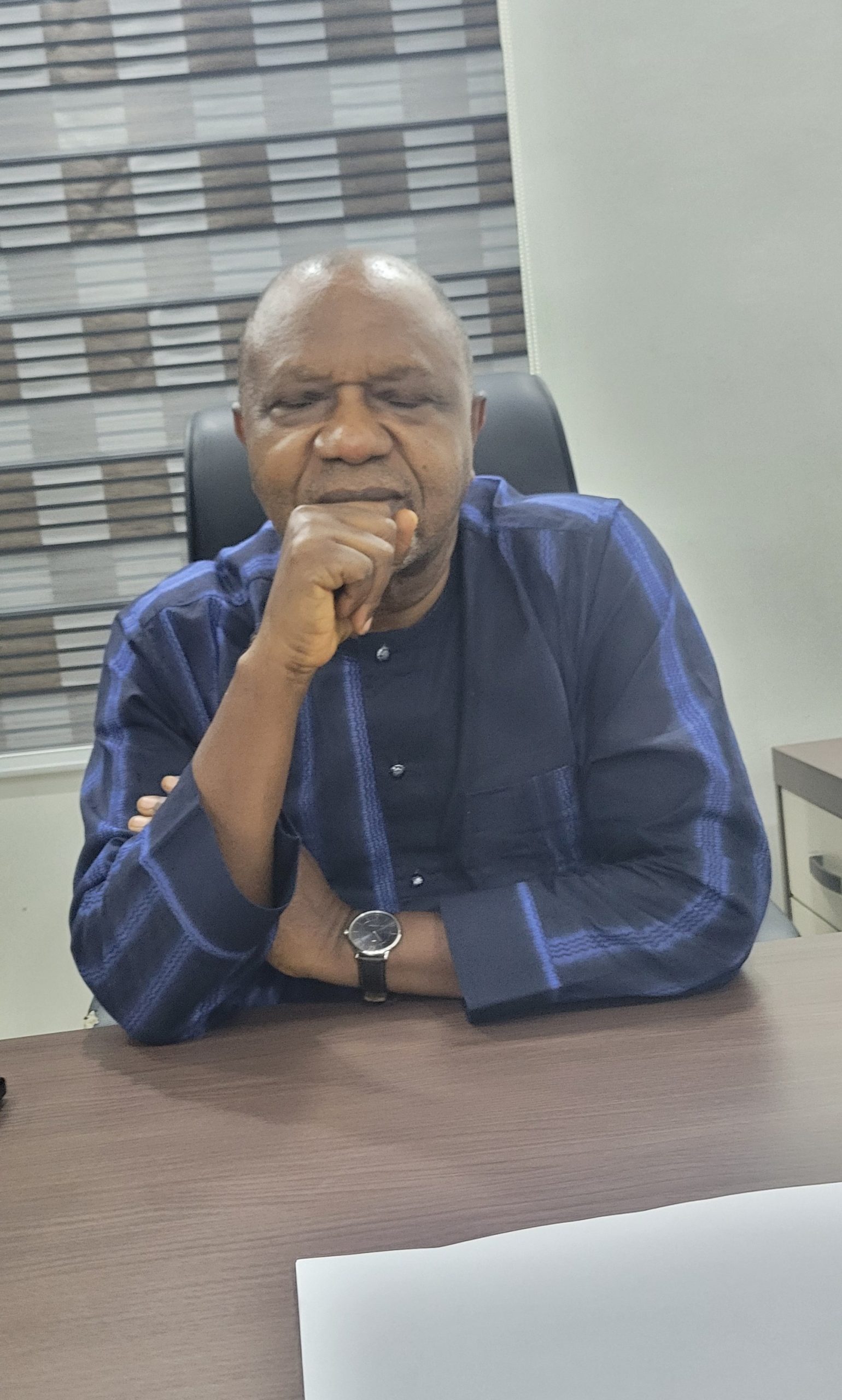
You have been a lawmaker in Nigeria and understand the power that resides in the legislature. Many people now assume that lawmakers, both at the state and federal levels, are merely rubber stamps for the executive arm, since most are selected by the same executive arm of government. What is your reaction to this?
It depends on how we want democracy to work. Some will say what is happening is still part of democracy, while others will disagree. Some people insist that we must follow the constitution of the party, while others ignore both the party and national constitutions and simply impose candidates. It really depends on what is happening within each political party.
I am a member of the APC, and I can’t speak for how things are done in the PDP. But from my experience in APC, I don’t think there is any reason for anyone to complain. If the need arises to hold primaries, we do that. If the leaders decide to sit down and select candidates, they do the needful— they know the people in their areas and can choose those who will best serve the community.
Personally, I believe it’s almost impossible to completely remove the influence or intervention of individuals or groups in the democratic process. Intervention, to me, is still part of democracy.
However, the type of democracy we practice here in Nigeria is peculiar. I sometimes wonder where we got it from. Maybe we are copying the American system, but ours is quite different. For example, in the United States, if you belong to the Republican Party and you go against Trump’s policies, he can mobilize against you in your constituency. So, political alignment and influence exist everywhere — it’s not unique to Nigeria.
People often say the National Assembly has become a rubber stamp for the executive. I disagree. When the legislature and executive share similar visions and objectives, governance becomes smoother. In the past, we used to have what was called a parliamentary meeting — now referred to as an executive session. During such meetings, lawmakers would align on issues, and by the time the executive sent bills to the floor, there was already mutual understanding. That doesn’t mean we were rubber stamps — it meant collaboration for progress.
Let me give an example. During the passage of the Land Use Act in Lagos State House of Assembly, some of us were sent to Canada to study how the system worked. When we came back, it was easy for us to deliberate and pass the bill because we already understood its benefits. Similarly, in Lagos, before some recent bills were introduced, discussions had already taken place at the parliamentary level. So, by the time they got to the floor, we didn’t have much disagreement. That is not rubber-stamping — that’s legislative efficiency.
Let’s come to your personal aspirations as we move toward the 2027 political dispensation. What are your political ambitions?
Aspirations are determined by God. Personally, if I have an ambition, it is to go to the Senate — I believe I am due for it. I know how to get there, but only God can take me there.
You have participated in politics for nearly 30 years, especially in Lagos State, and have gained experience from the grassrootto higher political levels. Have you discussed this ambition with political elders or stakeholders within your constituency or senatorial district?
Like I said, I know how to get there, but it is only God that can take me there. It is a wish — I have put it in prayer. You don’t discuss such matters with animals; you discuss them with human beings (laughs). So, I believe in divine timing.
As an accountant, what is your opinion about the current administration’s economic policies? Some Nigerians believe that the government is overtaxing the public.
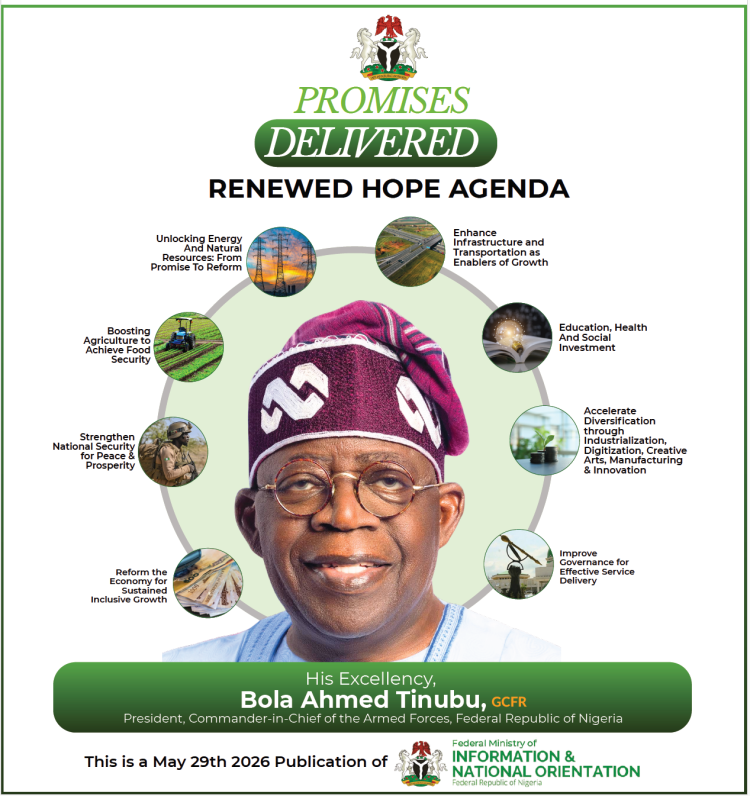
Governance is not just about taxing people. When I was Chairman of the House Committee on Finance in Lagos, Mr. Wale Edun was the Commissioner for Finance, and the current President, Bola Ahmed Tinubu, was the Governor. At that time, Lagos’ monthly revenue was between ₦500 million and ₦600 million. But with reforms introduced by Wale Edun — such as electronic receipts and channeling all payments through the banking system — revenue increased significantly. Within four years, Lagos was generating over ₦2 billion monthly.
They didn’t achieve that by overtaxing anyone. They simply blocked loopholes and expanded the tax base. The same approach is now being implemented at the federal level. Once revenue improves, the government can fund all tiers — federal, state, and local — and there will be more money in circulation.
This government is also investing heavily in infrastructure, which has multiple positive effects on the economy — it creates jobs and stimulates business. For example, the coastal road project has created numerous employment opportunities. Infrastructure development always boosts economic activity.
We should also remember that this administration is not yet three years old. Compare it with what it inherited, and you’ll see progress. I believe President Tinubu is determined to rewrite Nigeria’s history positively and leave a lasting legacy. Yes, people complained initially, but things are gradually improving. Go around and see the infrastructures springing up — the economy is stabilizing, and by the end of this administration’s first term, I believe the results will be more visible.
Let’s talk about security. Without adequate security, investors will stay away, and citizens will live in fear. What should the government do to ensure safety and stability across the country?
First, the government must increase the number of security personnel — especially the police. The police-to-population ratio in Nigeria is very low. Beyond recruitment, they must also be properly equipped.
I’ve heard that the government is reintroducing the forest guard system, which is commendable. It will help tackle criminal elements hiding in the forests.
In addition, I believe the Nigeria Police and the Civil Defence Corps should be merged and retrained. From my experience, Civil Defence officers are often more courteous and civil in their approach than the police. A merger would combine discipline with civility and improve public confidence.
What about state police? Many people have called for it, though some fear it could be abused by governors.
I think the debate over state police has been overflogged. Instead of creating another structure, we should simply increase the number of police officers, merge them with Civil Defence, equip them, and train them properly.
Look at Amotekun in the Southwest or Ebube Agu in the Southeast — their numbers are too small, and most states cannot afford to fund large security outfits. So, rather than multiplying agencies, let’s strengthen what we already have.
Recently, the APC in Lagos State adopted President Bola Tinubu for a second term ahead of the 2027 elections. What is the significance of that move?
The adoption is mainly to create awareness and remind party members that there is serious work ahead. It’s not just a political jamboree — it’s a signal that we must begin mobilization early, engage communities, and sensitize voters. It shows unity and readiness within the party.
Finally, what is your message to those currently occupying political offices at all levels?
Public office is temporary. Those in office — whether at the local, state, or federal level — should not personalize their positions. They must remember that they are there to serve and to give back to society.
They should focus on delivering the dividends of democracy — good infrastructure, education, healthcare, and welfare for the people. Leaders should make sure that citizens feel their impact positively before they leave office.