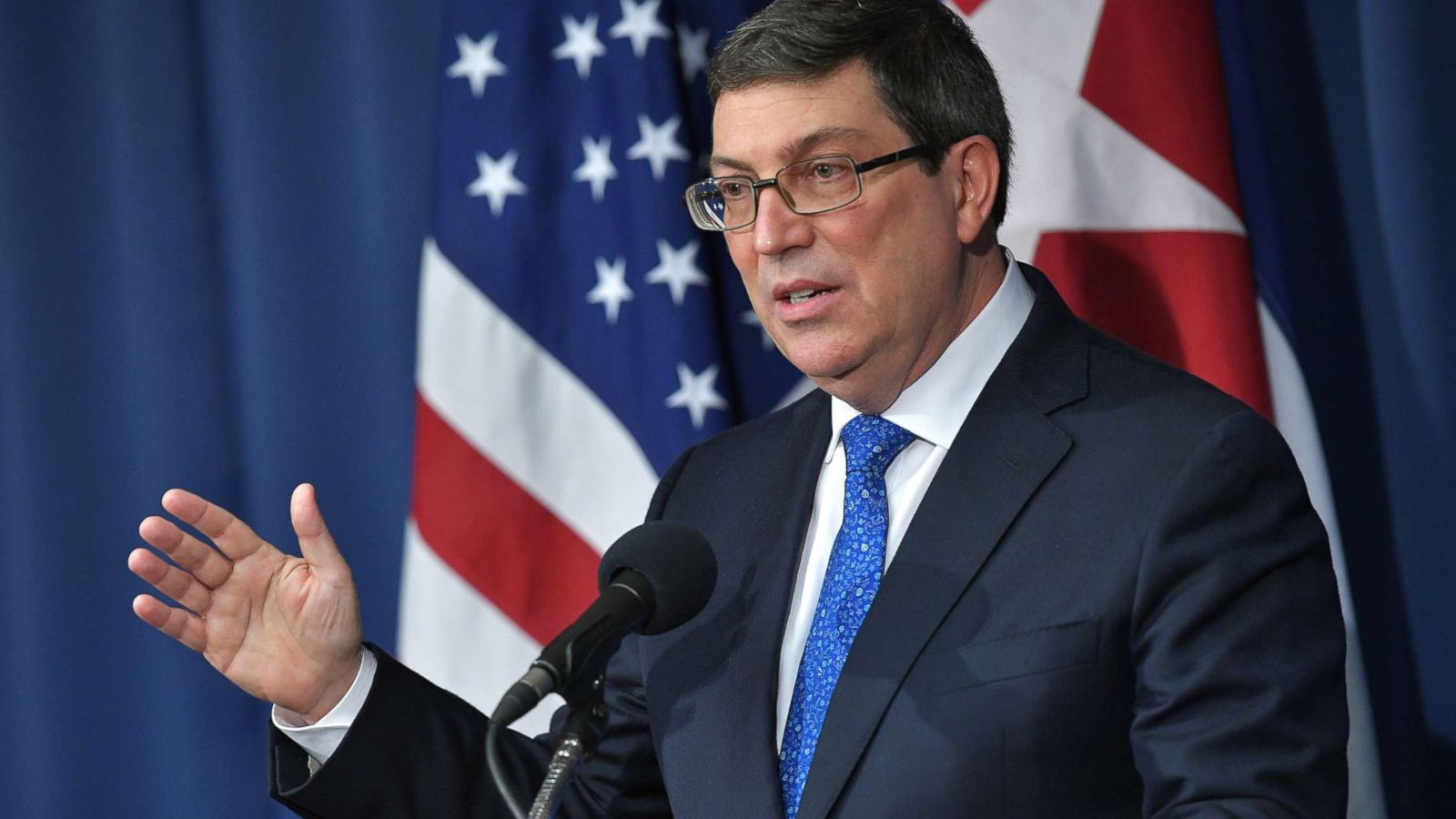
The Cuban government has criticised continued United States restrictions on the country, claiming that sanctions are affecting access to essential medicines, medical equipment and raw materials needed for pharmaceutical production.
Cuban Foreign Minister Bruno Rodríguez Parrilla said the restrictions on healthcare-related supplies were worsening challenges already created by broader economic sanctions and limitations on energy access.
In a statement shared on X, Rodríguez said the measures had affected Cuba’s ability to obtain materials required by its biopharmaceutical sector.
He argued that despite these difficulties, Cuban scientists continue working to develop locally produced medical solutions.
Cuba highlights cancer research efforts
Rodríguez pointed to research being conducted by scientists at the Center of Molecular Immunology (CIM) in Havana, which he said has produced a promising cancer treatment candidate known as 2C12.
According to the Cuban foreign minister, the treatment has similarities with pembrolizumab, an internationally used immunotherapy drug designed to help the body’s immune system fight cancer cells.
He said the development demonstrates Cuba’s efforts to strengthen medical independence and expand domestic capacity in cancer treatment.
“Cuban scientists continue efforts to achieve sovereignty in medicine, especially in cancer care, as cancer remains one of the country’s leading causes of death,” Rodríguez said.
Health sector affected by sanctions, Cuba says
Cuba’s Ministry of Public Health has repeatedly argued that U.S. sanctions have created obstacles for the country’s healthcare system, particularly in obtaining specialised medicines, medical supplies and materials needed for local drug manufacturing.
The Cuban government maintains that restrictions have affected areas including oncology treatment and pharmaceutical production.
However, U.S. authorities have continued to defend their policy towards Cuba, arguing that sanctions are aimed at pressuring the Cuban government rather than restricting humanitarian assistance.
Pharmaceutical independence remains a priority
Cuba has invested for decades in its biotechnology and pharmaceutical industries as part of efforts to reduce dependence on imported medicines.
The country’s biopharmaceutical sector has developed vaccines, treatments and medical products for domestic use and export markets.
Cuban officials say improving local production is essential, but argue that access to imported technology, equipment and raw materials remains necessary for maintaining healthcare services.
The dispute over medical supplies remains part of the wider disagreement between Havana and Washington over economic policy, trade restrictions and diplomatic relations.
Relations between Cuba and the United States have remained strained for decades, with economic sanctions forming one of the central points of disagreement.
The U.S. embargo against Cuba, introduced during the Cold War period, restricts many forms of trade and financial activity involving the island nation.
Cuba argues that the restrictions have affected economic growth, healthcare supplies and industrial development.
The United States argues that the sanctions are a political tool aimed at encouraging democratic reforms and accountability.