



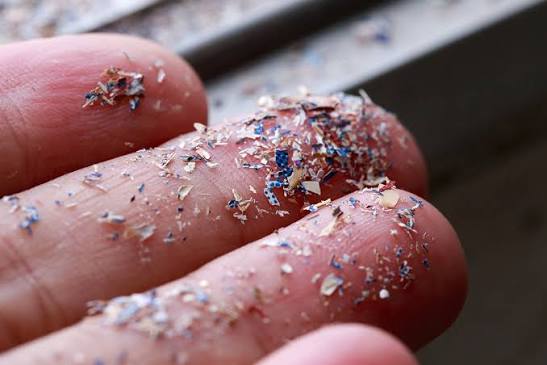
Children and workers in plastic-related industries may face increased exposure to microplastics because of their developing bodies and frequent contact with plastic particles, a medical laboratory expert has warned.
Dr Bako Yunusa Ali, Deputy Director and Head of the Medical Laboratory Department at Karu General Hospital (KGH), Abuja, raised the concern during an interview with the News Agency of Nigeria (NAN) in Abuja.
He explained that microplastics are extremely small plastic particles measuring less than five millimetres, while even smaller particles known as nanoplastics may penetrate deeper into body tissues.
Microplastics Enter Through Food, Water and Air
Ali said humans can be exposed to microplastics through several pathways, including contaminated food, seafood, drinking water and polluted air.
He explained that plastic materials gradually break down into smaller particles over time, allowing them to spread through different environments.
According to him, plastic bottles, packaging materials and other discarded plastic products can release microplastics as they deteriorate.
Children Considered More Vulnerable
The medical expert said children may face greater risks because their organs and immune systems are still developing.
He added that children consume more food, water and air relative to their body size compared with adults, which could increase exposure levels.
“Microplastics have also been found in breast milk and placenta, showing that exposure can start from an early stage of life,” Ali said.
Plastic Industry Workers Face Occupational Exposure
Ali identified workers in plastic recycling facilities and other related industries as groups that could experience higher exposure.
He listed workers in: plastic recycling plants, wastewater treatment facilities, textile industries, aquaculture, fisheries.
He said these workers may inhale airborne plastic fibres and dust particles during their daily activities.
Communities Near Industrial Areas Also at Risk
The expert said people living close to industrial zones, waste disposal locations and coastal communities could experience increased exposure.
He explained that microplastics can move through wind, rainfall and food chains before entering water sources, soil and aquatic environments.
Synthetic clothing fibres, vehicle tyre particles, construction activities and urban dust were also identified as possible sources of microplastic pollution.
Long-Term Health Effects Still Under Study
Ali said scientific studies have linked microplastic exposure with inflammatory responses and possible interference with normal biological processes.
However, he noted that researchers are still studying the long-term health consequences of continuous exposure.
“The health effects of long-term exposure are still being studied,” he said.
Expert Urges Better Plastic Waste Management
Ali advised Nigerians to reduce unnecessary use of plastics and improve waste disposal practices.
He stressed that controlling plastic pollution is important not only for environmental protection but also for safeguarding human health.
He urged individuals, industries and communities to adopt better plastic management practices to reduce exposure risks.