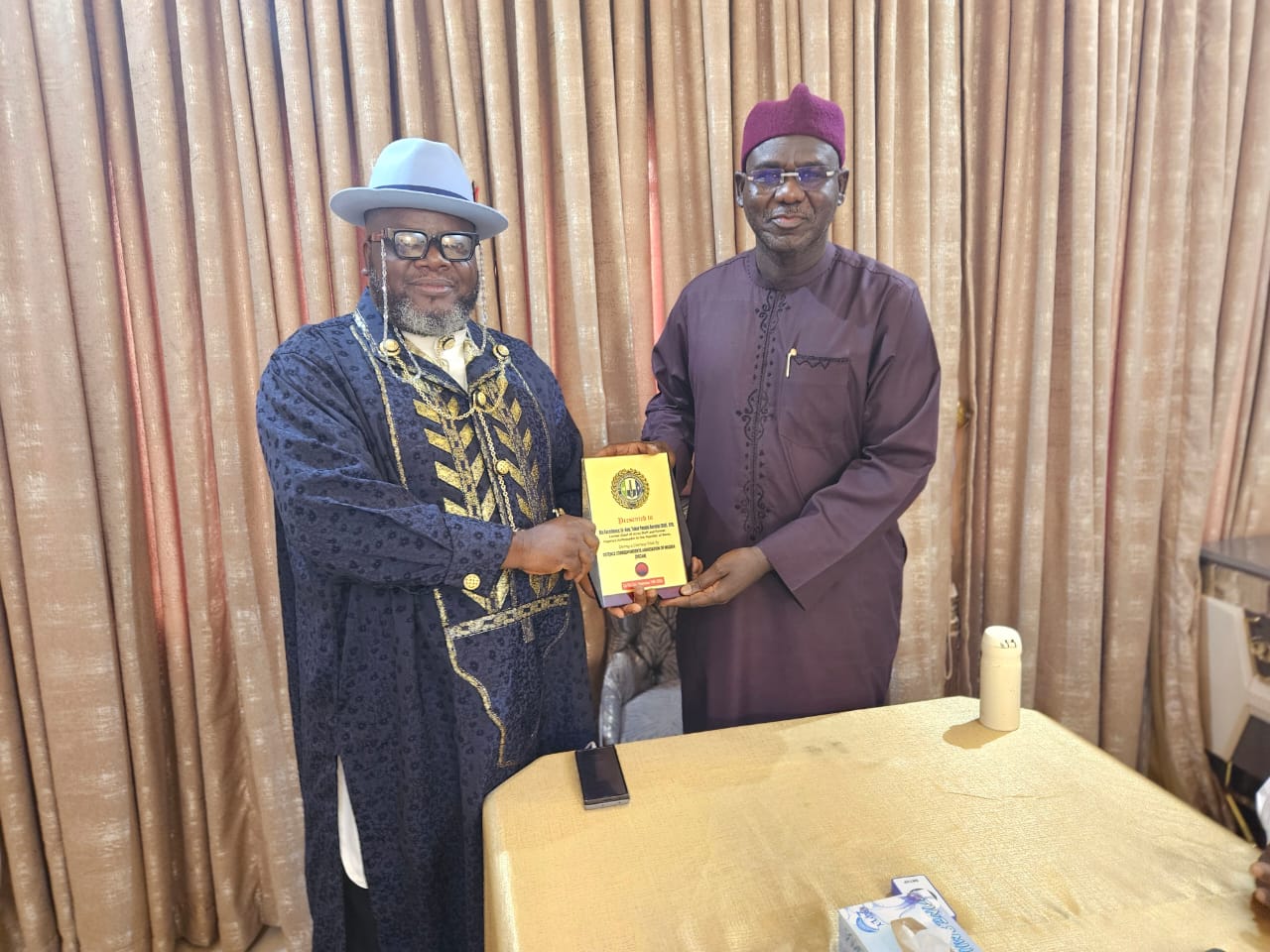
Former Chief of Army Staff, retired Lt.-Gen. Tukur Buratai, says allowing journalists access to military operations helped the Nigerian Army challenge Boko Haram’s propaganda and improve public understanding of counterterrorism efforts.
Buratai, who also served as Nigeria’s Ambassador to the Republic of Benin, made the remarks on Friday in Abuja when officials of the Defence Correspondents Association of Nigeria (DECAN) Annual Lecture and Awards Committee visited him.
He said his leadership at the Nigerian Army introduced a new approach to military-media relations by enabling defence correspondents to visit operational areas and report developments directly from the field.
Military Sought to Challenge Terrorist Narratives
According to Buratai, terrorist groups had previously used information channels to promote their ideology, spread claims about military activities and influence public perception.
He said providing journalists with firsthand access to military operations was part of efforts to ensure that accurate information reached Nigerians and the international community.
“The best way to counter the propaganda was to ensure that journalists had direct access to the battlefield and could report events as they unfolded,” he said.
Journalists Witnessed Frontline Operations
The former Army chief recalled a military operation around Gamboru-Ngala, Borno State, where journalists accompanying troops witnessed an encounter with insurgents.
He said the incident, which resulted in the death of one soldier and injuries to two others, including a senior military officer, demonstrated the realities faced by troops during operations.
Buratai said frontline reporting helped show the challenges of military engagements and the commitment of personnel involved in the fight against insurgency.
Information Remains Key in Modern Warfare
The former Chief of Army Staff said credible and timely communication had become an important part of modern military strategy.
He explained that poor communication could affect public confidence and weaken operational objectives, especially during prolonged security challenges.
Buratai commended defence correspondents for their role in reporting military activities and promoting public awareness on national security issues.
DECAN Highlights Role of Technology in Security
The President of DECAN, Mr Odita Sunday, said Buratai was invited as Guest Lecturer for the association’s 2026 Annual Lecture and Awards Ceremony.
He said Buratai’s experience in military leadership and national security would provide valuable perspectives for policymakers, security experts, journalists and academics.
The lecture is themed:
“Beyond Kinetic Warfare: Harnessing Technology and Intelligence-Led Operations for Nigeria’s National Security.”
Odita said emerging security challenges require greater use of technology, intelligence systems, cyber capabilities and surveillance tools alongside traditional military approaches.
He added that the event would provide an opportunity to discuss ways Nigeria can strengthen its ability to prevent and respond to evolving security threats.