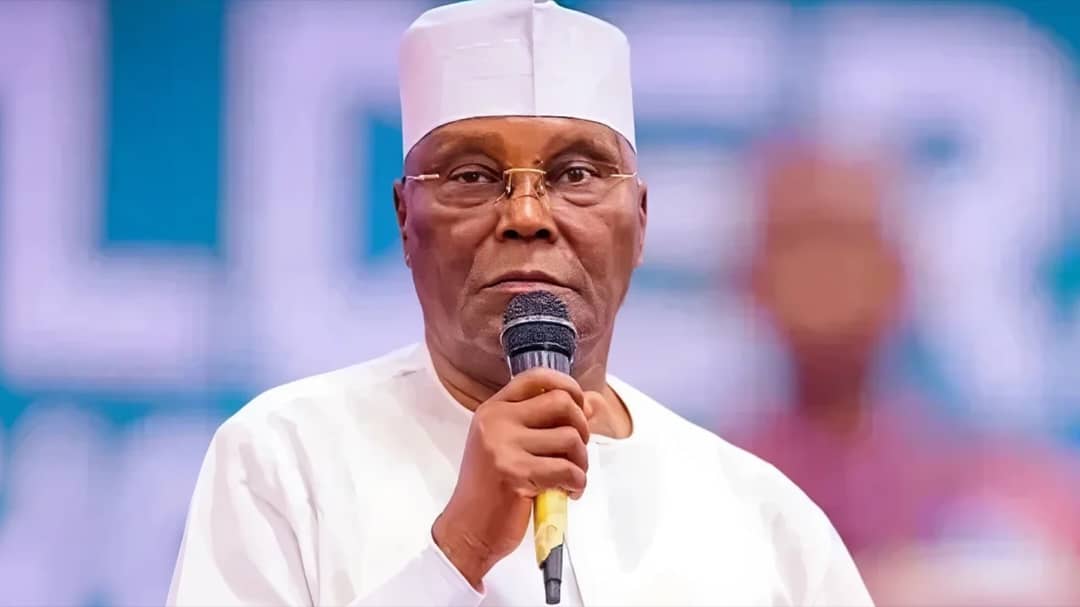
A National Leader of the African Democratic Congress (ADC), Dr Chike Okogwu, has supported former Vice-President Atiku Abubakar’s proposal to reintroduce fuel subsidy if he becomes Nigeria’s president, saying the policy could be reconsidered if properly redesigned.
Okogwu, a former member of the Subsidy Reinvestment and Empowerment Programme (SURE-P) board, however, stressed that any new subsidy framework must avoid the weaknesses associated with previous systems.
He made the remarks in a statement issued in Abuja on Monday.
Calls for transparent subsidy system
According to Okogwu, a renewed subsidy programme should be targeted, transparent and supported by technology-driven monitoring systems to prevent abuse.
He said lessons from the former SURE-P initiative, which followed the 2012 fuel subsidy reforms, could guide future government interventions.
Okogwu explained that SURE-P was designed to channel savings from subsidy reforms into social and infrastructure projects.
He listed areas supported by the programme to include transportation, healthcare, employment creation, maternal and child health services, vocational training, roads and rail projects.
He cited projects such as the Second Niger Bridge and Loko-Oweto Bridge as examples of infrastructure initiatives that benefited from SURE-P funding.
SURE-P had weaknesses but achieved results
While acknowledging challenges associated with SURE-P, Okogwu said the programme also recorded achievements that should not be ignored.
“Was SURE-P perfect? No. Was there room for improvement? Absolutely,” he said.
He argued that government should separate the federal component of the programme from structures implemented at state and local government levels when assessing its performance.
Technology can improve subsidy monitoring
The ADC leader said Nigeria’s expanding digital financial systems could help improve transparency if fuel subsidy is restored.
He suggested using identity verification tools, including the Bank Verification Number (BVN) and other approved systems, to confirm beneficiaries where direct financial support is involved.
Okogwu also proposed digital tracking of petroleum products from refineries through depots and transportation channels to filling stations.
He said independent audits and regular public disclosure of subsidy spending would help build citizens’ confidence in the programme.
Fuel prices affecting Nigerians
The former SURE-P board member noted that rising petroleum costs have increased expenses across several sectors, including transportation, agriculture, food production and manufacturing.
He urged policymakers to consider vulnerable Nigerians such as persons with disabilities, elderly citizens, widows, students, farmers and low-income households when designing economic policies.
Okogwu also called for greater investment in domestic refining capacity to reduce Nigeria’s dependence on imported petroleum products.
Supports controlled border reopening
On discussions around reopening Nigeria’s land borders, Okogwu backed a regulated approach that would encourage legitimate trade while preventing smuggling.
He said any subsidy programme introduced in the future should undergo regular reviews to determine whether it continues to provide economic and social benefits.
According to him, the effectiveness of subsidy policies should ultimately be judged by whether they reduce hardship and improve the living conditions of Nigerians.
Background Information
Nigeria removed petrol subsidy in 2023 as part of economic reforms aimed at reducing government spending and encouraging market-based pricing.
The policy triggered debates over rising transportation costs, inflation and household hardship.
The former SURE-P programme, introduced after the 2012 subsidy reform crisis, was designed to invest subsidy savings into infrastructure and social programmes.
The debate over whether to restore, reform or completely remove fuel subsidy remains one of Nigeria’s major economic policy discussions