

The traditional value system of the Nigerian society is characterized by such enduring features as collectivism, loyalty to authority and community, truthfulness,
honesty, hard-work, tolerance, love for others, mutual harmony, and co-existence and identification of individual with one another.
Other distinctive features of the Nigerian traditional society are abhorrence for theft, incest and high values for life.
Stealing was considered extremely disgraceful and lives were highly valued. All these values have all gradually been discarded or lost.
However, new obnoxious values have succeeded the lost ones, as
citizens are often acquainted with modernity and civilization.
Most traditional Nigerian endearing values and morals have been traded
off for western values which portend a dangerous precedence.
Nigeria is one of the countries with very high rural/urban drift.
Most urban areas have grown beyond their environmental carrying
capacities and existing infrastructure and this has resulted to
increased poor quality of the living conditions.
Out of frustration due to over population, these youths are drawn into crime.
Social irresponsibility of companies, corporate social
irresponsibility is a set of actions that increases externalized costs
and promotes distributional conflicts.
Companies engage in corporate social responsibility in order to offset
corporate social irresponsibility. The rise of terror groups in some
parts of the country is directly related to the neglect of social
responsibility.
As a result of high level of unemployment and poverty among
Nigerians, particularly youths, they are adversely attracted to
violent crime.
The security situation has grown from bad to worst and this has
affected business organizations and sustainable national development.
So far, the approach adopted has been reactive instead of pre-emptive.
Observers expressed worry why Nigeria experiences rising rate of
unemployment despite its rating as one of the fastest growing
economies in the world.
Unemployed youths are readily available for anti-social criminal
activities that undermine the stability of society.
The rising rate of unemployment has further affected the
effectiveness of the police to combat crime. Because unemployment
readily creates a large army of potential criminals, effective
policing has remained a mirage in the country.
Public perception about the policemen is that they are well known for
rottenness, as many of the police officers are known to be corrupt.
According to opinion polls conducted in Oyo, Oke-Ogun and Ogbomoso areas of Oyo State, “bribery and corruption are twin cankerworms that have eaten deep into the fabrics of the Nigerian society. Funds released to some security agencies are alleged to have been diverted into private pockets”.
They added,“ also, criminals are known to usually bribe their way through and escape the long arm of justice. This has led to an increase in criminal activities since the criminals know that the
police could be bought at a price. Arrested criminals are back on the
streets again the next day if they or their god-fathers can negotiate
and pay an agreed sum. This has greatly affected the effectiveness of
the police in crime prevention and control in Nigeria’’,
But it is a statement of fact that the police lack modern equipment to
effectively combat crime.
Vehicles, communication equipment, scientific tools for
investigation, intelligence gathering control equipment are grossly
inadequate.
Investigation has shown that less than five per cent of policemen in the 36 states and the Federal Capital Territory (FCT) have walkie-talkie for communication during patrols.
Less than 20 per cent of the police stations have telephones to respond to distress calls from the public during emergencies.
In terms of vehicles, about five per cent of the commands have one or no lorry and other operational vehicle.
What of the motivation which is a serious factor as far as efficiency
in any endeavour is concerned.
Motivation goes a long way to encourage a worker to work to maximum capacity.
There are policemen who have been on the same rank for more than 10 years. It is a fact that less than 25 percent of the policemen in the
country have barracks’ accommodation.
Also a visit to some of the barracks revealed their sorry state, as
some of them are in various states of dilapidation and squalor and are
in dire need of renovation to make it habitable for decent conditions
of living for the policemen.
Apart from the fact that they are underfunded and reduced to mere
object of degradation with unattractive salaries, they also have to
operate in less habitable places as offices, in addition to poor
shelters (barracks).
The Alaafin of Oyo, Oba Lamidi Adeyemi III, during the visit of the Assistant Inspector General of Police for zone 11 to his palace, said “ our police are demoralized and yet they are the ones assigned the tedious and dangerous jobs of patrolling our highways, chasing armed robbers, fishing out criminals, as well as restoration of peace. They are quick to be blamed once they perform below our high expectation and unmindful of the condition under which they have to operate. There is
the need for commensurate motivation for the rank and file of the police”.
Oba Adeyemi, who lauded what he described as “gallant efforts” of officers and men of the four divisional police commands in Oyo metropolis, Oyo/Ogbomoso annex of the special anti-robbery squad and the area police command office in curbing crimes and criminal activities, assured the AIG and the State Police Commissioner of continued support.
The paramount ruler in a chat with reporters harped role of the
family in maintaining a stable and crime free society, which he said
cannot be over-emphasized.
“The increasing rate of family marriage breakdown and its attendant
effect on the children and the society at large has become ticking
time-bomb because it has given rise to increase in criminal activities
by the children of the broken homes. It is important that we recognize
the role of marriage in building a strong society, especially if we
want to give children the best chance in life. Children from broken
homes are nine times more likely to commit crimes than those from
stable families. Seven out of ten offenders come from broken homes”.
Family life, Alaafin asserted, affects all of us. What happens on our
streets, and in our communities?. What you learn from a very early age
has a great deal to say about the person you will eventually become
and the life you lead.”
“ Also the safety of lives and property is an issue of priority in any
given society. Consequently, the government needs to increase its
funding for the police so that modern and adequate equipment to combat
crime could be acquired. However, such funds are to be properly
monitored to avoid diversion into private pockets and also rid the
Nigeria police of its corrupt elements. It is also important that the
police must be motivated through regular promotion, good salary,
decent accommodation. There is need to strengthen the family
institution as well as develop a welfare programme for the children
from broken homes, as well as unemployed youths as this will prevent
them from being recruited into criminal gangs. If crime is to be
reduced to the barest minimum, the government must take pro-active
measures towards poverty alleviation”.
Poverty, Oba Adeyemi explained, “readily offers a breeding and fertile
ground for crime. As such, any effort made towards poverty alleviation
automatically translates to effort made towards crime prevention and
control in the society. The police cannot fight crime alone.
Intelligence gathering is a veritable tool for crime prevention and
control. This is why the members of the public must wake up to assist
the police in its functions. The public should be ready at all time
times to give necessary information to the police. This is because,
crime is a challenge that all and sundry must confront headlong for a stable and safe society”.


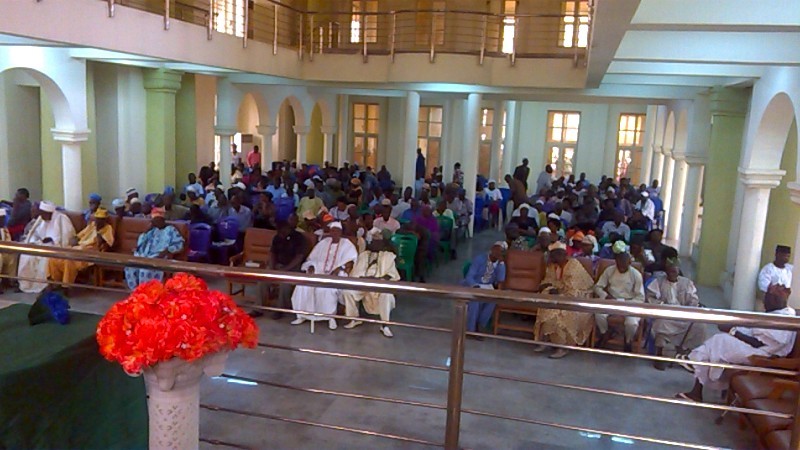
Alaafin makes case for police welfare, effective policing

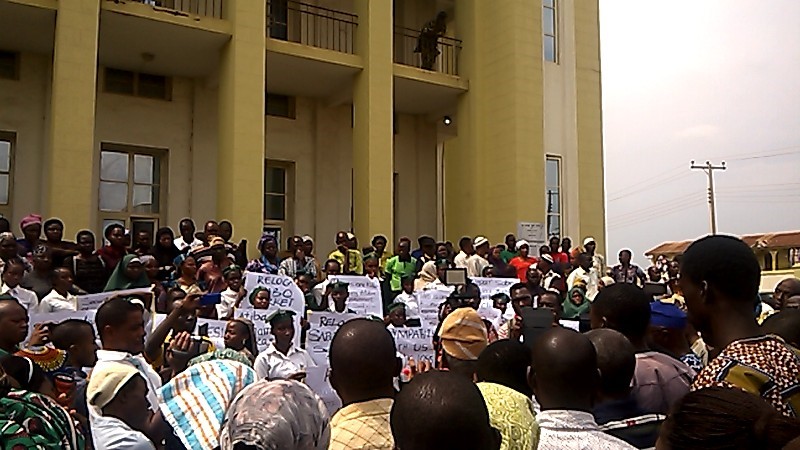
Aftermath of students’ death, Oyo residents seek abolition of street trading, rehabilitation of road
Leave a Reply








Latest Stories








© 2026 Published by SWAAYA LIMITED, Plot 20, Block G, Scheme 1, Residential 3, OPIC Beachland Estate, Lagos/Ibadan Expressway, Lagos. Gabriel Akinadewo, MD/CEO 08023010222, 08094000056, 08052097814.