

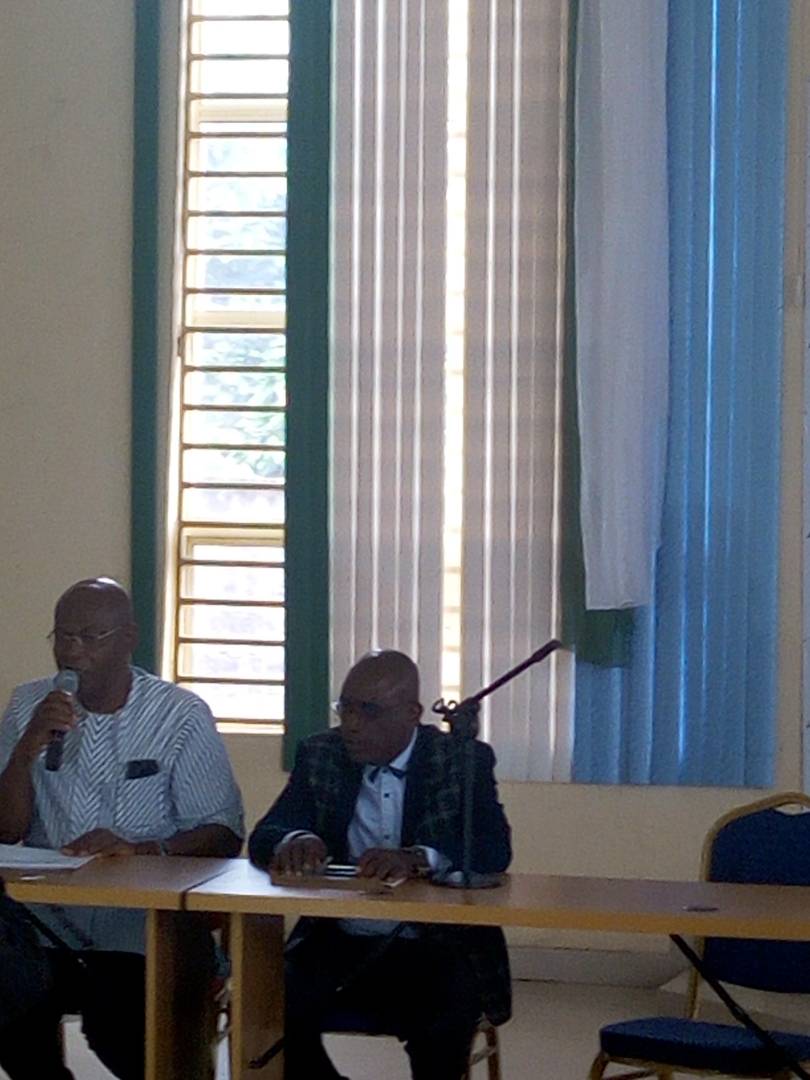
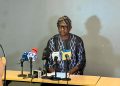
The Executive Director of African Heritage Institute for policy makers, Prof. Ufo Okeke-Uzodike, has charged Non -Governmental Organisations and Civil Society Organisations (CSOs) to be efficient.
He made the call in Enugu during the Afriheritage ‘s CSOs//NGOs engagement forum titled, “Collaborating for Greater Impact”.
He stressed the need for partnership amongst various CSOs and NGOs in the country so they could solve the socio-economic challenges confronting majority of Nigerians.
Professor Okeke -Uzodike observed that CSOs and NGOs were not performing efficiently and that had contributed to the woes the country is faced with.
The executive director noted that CSOs/NGOs in other countries had contributed to the progress of their nations. “Change will not happen because we just wish it. It must be worked out and people aggregated together to jointly contribute to the change.”
The Executive director noted that most times, individual CSOs or NGOs carry out programs in a particular socio-economic field “which are like a drop in an ocean.” He was of the view that if the CSOs and NGOs in the country or any particular region tackle a single socio-economic problem collectively, the challenge would be solved adequately.
In a related development, the African Heritage Institute has organized a One-Day workshop for Journalists in Enugu with a call on them to report objectively and shun sensationalism.
Executive – Director of the institute, Professor Ufo Okeke -Uzodike gave the charge in an address he presented during the workshop held in Enugu.
He observed that, ” ‘Across countries and societies throughout modern history, the media have shaped or influenced social discourses and defined relationships between nation-states and their people.”.
The Executive -Director noted that where the media are cowardly and pliant, human rights abuses and dictatorships take deep root and become widespread as governments become hegemonic. Moreno, where the media understand and defend their social mandate and responsibility to their public, human rights are respected and individuals and communities are free; whole societies prosper; and democracy is embedded.
According to him, the net effect of the work of the media regardless of regime type is to nurture or strengthen good governance and democratic practice through its commitment to, and defense of the public interest.
He highlighted roles of the media as Sources of information, watchdog, , critical but balanced assessments of developments in society.
Shaping of public opinion: nurturing and influencing public opinion through a balanced engagement with government and civil society.
Okeke-Uzodike opined that for the media to be effective journalists representing them must be committed to, and focused on the quest for the truth. They should be capable of operating without fear or favor
He was quick to add that it will be very difficult to achieve positive social change in modern society without the media. He emphasised that AfriHeritage and other non-profit organizations cannot thrive or even try to do their work reasonably well without effective partnership with the media.
The guest speaker at the occasion, Dr Chris Ngwu, Head, Mass Communication Department, Enugu State University of Science and Technology (ESUT), in a paper entitled, ” Leadership and good governance :Need for responsible reportage ‘ advised journalists to to be objective in their reportage .
He described good governance as the most important factor in eradicating poverty. Ngwu said that the media should embrace professionalism in discharging their duties. They should provide an enabling environment free from intimidation, use their strength as gatekeepers , report objectively and avoid sensationalism.
One of the participants at the event who contributed during the interactive session Dr Maxwell Ngene, senior lecturer at the Mass Communication department, Renaissance University, Ugbawka , Enugu. stressed that journalists must know that they are responsible for society growth. He noted that what the public read means a lot to the society, meaning journalists must have high ethical standard, “image is very important”, he noted.


Afriheritage Executive Director tasks NGOs, CSOs on efficiency


Leave a Reply





Latest Stories








© 2026 Published by SWAAYA LIMITED, Plot 20, Block G, Scheme 1, Residential 3, OPIC Beachland Estate, Lagos/Ibadan Expressway, Lagos. Gabriel Akinadewo, MD/CEO 08023010222, 08094000056, 08052097814.