


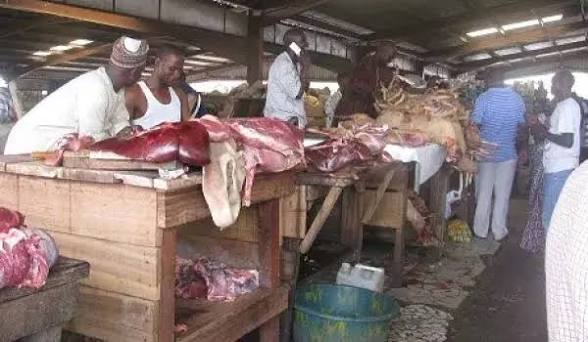
The cost of beef in Lagos has climbed to as much as N10,000 per kilogramme, with meat traders blaming the increase on expensive cattle, rising transportation costs and fluctuations in foreign exchange rates.
The Lagos State Butchers Association disclosed that beef currently sells for between N9,000 and N10,000 per kilogramme, compared with N7,000 to N7,500 about four months earlier.
The association’s Deputy State Chairman, Alhaji Wasiu Akande, gave the figures during an interview with the News Agency of Nigeria (NAN) on Thursday.
Why Meat Prices Are Rising in Lagos
Akande explained that the cost of bringing cattle into Lagos had increased considerably, forcing butchers to adjust their selling prices.
He identified the purchase price of livestock, diesel expenses and transportation losses as major factors affecting the meat business.
According to him, traders must recover these costs before selling beef to consumers, making it difficult to maintain previous prices.
The reported increase comes amid continuing concerns about food affordability and the cost of living in Nigeria’s commercial capital.
Foreign Exchange Fluctuations Affect Cattle Supply
The association also linked the rising cost of beef to Nigeria’s dependence on livestock supplied through cross-border trade.
Akande said some cattle sold in Nigerian markets were sourced from Mali, Niger and Côte d’Ivoire.
He explained that livestock suppliers involved in international trade consider currency exchange rates when determining the prices charged to Nigerian buyers.
As a result, fluctuations in the value of the naira can influence cattle prices even before transportation expenses are added.
Akande further argued that imported livestock accounted for a much larger share of Nigeria’s cattle supply than many consumers assumed.
However, the association did not provide official production or import figures to substantiate its estimate of the country’s dependence on foreign cattle.
Diesel Prices and Cattle Losses Increase Costs
Transportation remains another major challenge for livestock dealers supplying Lagos markets.
Akande said most cattle are moved over long distances using diesel-powered trailers, exposing traders to high fuel and vehicle operating expenses.
He also explained that livestock sometimes die during transportation because of stress and difficult travel conditions.
Such losses reduce the number of animals available for sale and increase the financial burden on dealers.
According to the association, traders often recover these additional expenses through higher cattle prices, which eventually affect the cost of beef sold to consumers.
Interstate Charges Add to Livestock Expenses
The butchers’ association also complained about charges encountered while transporting cattle through different states.
Akande identified Niger, Oyo and Ogun among the states where traders face additional costs along routes leading to Lagos.
He said these expenses accumulate before the animals reach their final destinations.
The association believes that reducing transportation-related charges and improving logistics could help ease pressure on livestock prices.
Butchers Call for Dedicated Cargo Trains
To address the rising cost of livestock transportation, the association appealed to the Federal Government to improve railway infrastructure and introduce dedicated cargo services for cattle.
Akande argued that moving livestock by rail could reduce transportation expenses, minimise stress on animals and limit deaths during long journeys.
He recalled that Nigeria previously transported cattle by train during the 1960s and 1970s.
According to him, the decline of railway freight services increased reliance on road transportation, exposing livestock traders to additional operating costs.
Akande disclosed that the association had discussed its concerns with the minister responsible for livestock matters about a month earlier.
He urged the government to consider railway transportation as a long-term solution to the challenges affecting cattle movement across the country.
Large Cattle Now Cost Up to N3 Million
The association also provided details of current cattle purchase prices.
Akande said some large animals belonging to the breed popularly known as Kokoloji could sell for as much as N3 million.
Other animals within the same category reportedly cost between N1.4 million and N1.5 million, while smaller ones may sell for approximately N1 million.
He added that less expensive cattle from other breeds could be purchased for between N700,000 and N800,000.
The association’s deputy chairman explained that butchers often prefer larger animals because they produce more meat and can attract customers seeking particular cuts.
However, purchasing such cattle requires substantial capital, especially when transportation and other expenses are included.
Rainy Season Price Reductions Provide Temporary Relief
Akande noted that cattle prices sometimes decline during the rainy season, particularly in June and July.
He said these seasonal reductions were usually short-lived and did not address the underlying challenges affecting the livestock trade.
The association maintained that improving transportation infrastructure would offer more lasting benefits than relying on seasonal changes in cattle prices.
Lagos Consumers Face Growing Pressure Over Beef Prices
The increase in beef prices adds to the challenges facing households, restaurants and food vendors that depend on meat for daily consumption or business operations.
Based on the association’s reported figures, the midpoint price of beef has increased by approximately 31 per cent over four months.
However, the reported price range represents information supplied by the butchers’ association and should not be interpreted as a uniform price across every Lagos market.
Akande reiterated the association’s appeal for dedicated livestock cargo trains, arguing that improved transportation could reduce animal losses, lower operating expenses and help stabilise beef prices.
The association believes that addressing these supply-chain challenges would benefit cattle dealers, meat sellers and consumers.