*Forged appointment letters alone cannot explain sustained institutional acceptance.
*Who approved the documents, who verified them, and who failed to notice the inconsistencies?
Some scandals expose individuals. Others expose institutions.
Presidential spokesman, Bayo Onanuga’s State House statement issued on July 1, 2026, meant to discredit Prince Adeniyi Adeyemi Matthew, may have done something more important: it has exposed serious weaknesses at the core of the Nigerian state.
If the Presidency’s account is accurate, Nigerians are not just looking at forgery or impersonation. They are looking at a possible severe systemic security failure of alarming scale.
How could one person allegedly create a presidential agency that never existed and persuade parts of the state to treat it as real?
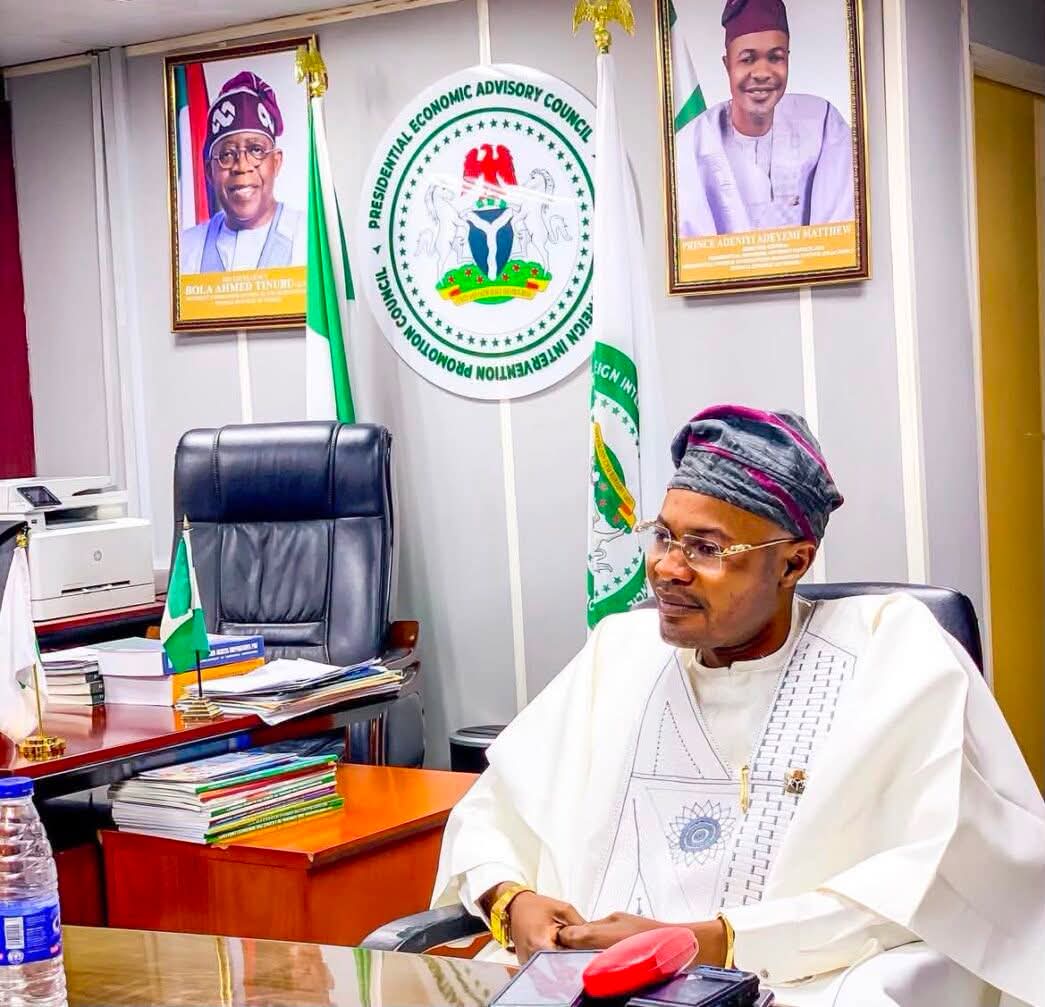
According to the statement, Adeyemi allegedly set up a fictitious Presidential Foreign Intervention Promotion Council, later tied to a so-called Presidential Economic Advisory Council. He reportedly operated from offices in the Federal Secretariat, held meetings with ambassadors and senior officials, sought diplomatic privileges, opened dozens of bank accounts, and presented himself at home and abroad as a presidential appointee.

If proven, this would not simply be the story of one man’s deception. It would point to a failure of verification across multiple institutions.
The first problem is obvious: if Adeyemi was an impostor, how did he gain access to the Federal Secretariat? Office allocation, security clearance, and visitor control are all supposed to be tightly managed.
Buildings do not admit occupants on their own. Someone must have granted access or failed to stop it.
The chronology is also troubling. The deception was reportedly uncovered not through intelligence or internal audit, but after the Nigerian Investment Promotion Commission complained about overlapping functions. In other words, the scam may have been exposed by accident, not by effective security intelligence safeguards.
The banking claims raise even deeper concerns. The Presidency says investigators found 34 accounts linked to the suspect, including accounts opened in the names of fake agencies. It also claims he opened an account with the Central Bank after misleading the Office of the Accountant-General. If true, that demands answers: who approved the documents, who verified them, and who failed to notice the inconsistencies?
The diplomatic angle is equally disturbing. According to the statement, ambassadors attended meetings organised by the alleged agency before the Ministry of Foreign Affairs intervened. If that happened, then either the deception was unusually sophisticated or Nigeria’s verification systems were badly weak.
Forged appointment letters alone cannot explain sustained institutional acceptance. Letters do not create offices, bank accounts, or diplomatic recognition. Other mechanisms must have conferred legitimacy. What were they, and who endorsed them?
Perhaps the biggest omission is accountability inside government. The statement focuses almost entirely on Adeyemi and his associates, while saying little about officials whose actions or inaction may have enabled the alleged fraudulent conduct. That is hard to reconcile with the scale of the claims.
If the Presidency’s account is substantially correct, then investigations should extend to officials in the Presidency, the Federal Secretariat, the Office of the Accountant-General, the Central Bank, commercial banks, the Ministry of Foreign Affairs, and other agencies that interacted with the purported body. Where evidence exists, accountability should not stop at the alleged mastermind.
The Presidency is right that the matter is sub judice. The courts must determine criminal liability. But the courts can answer only one question: did Adeyemi commit the offences alleged? They cannot answer the larger institutional question: how did the Nigerian state allow this to happen?
If the allegations are proven, Nigeria needs more than a prosecution. It needs a full institutional reckoning: forensic audits, investigations into approvals and endorsements, disciplinary action where necessary, stronger authentication procedures, parliamentary oversight, and a transparent report on what failed and how to fix it.
Anything less would punish one man while leaving the system that allegedly enabled him intact.
The irony is that the State House statement may indict more than the accused. Every paragraph meant to show deception also reveals another failed checkpoint, another weak verification process, another institution that accepted appearance in place of proof.
That is the real scandal.
A modern state derives legitimacy not only from prosecuting fraud, but from proving that its institutions are strong enough to prevent fraud from succeeding. If one man could allegedly impersonate the Presidency on this scale, then the issue is no longer just forgery. It is the fragility of the Nigerian state itself.
Until that is confronted with transparency and reform, the phantom presidential agency will continue to haunt the institutional weakness that allowed it to seem real.
*Rekpene Bassey
President of the African Council on Narcotics and a Security Specialist.