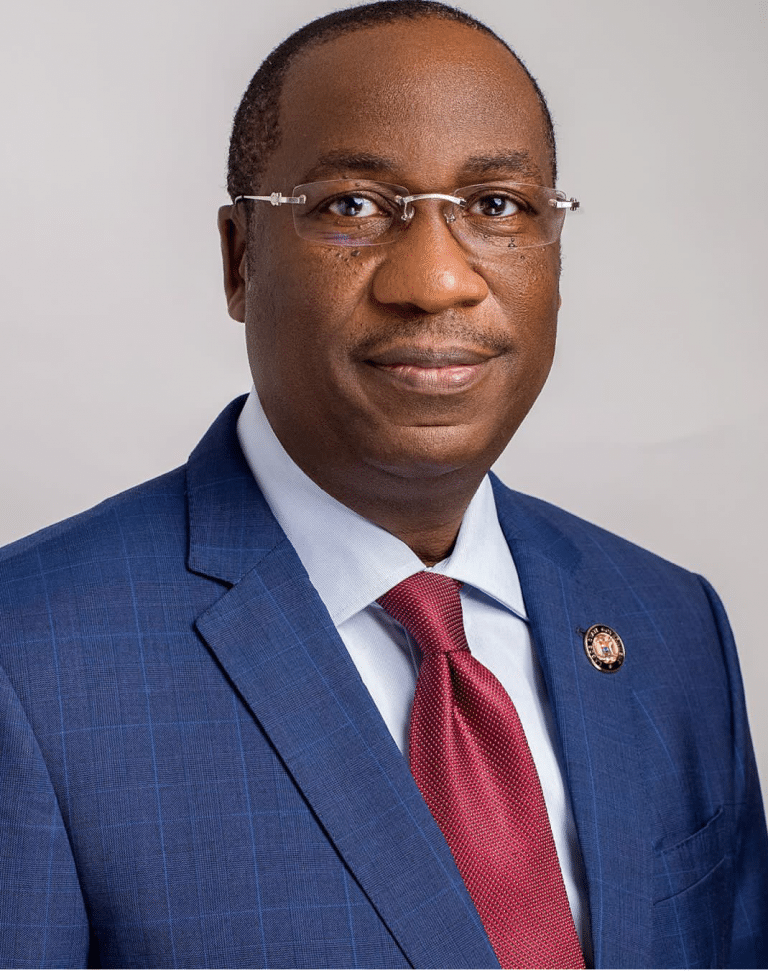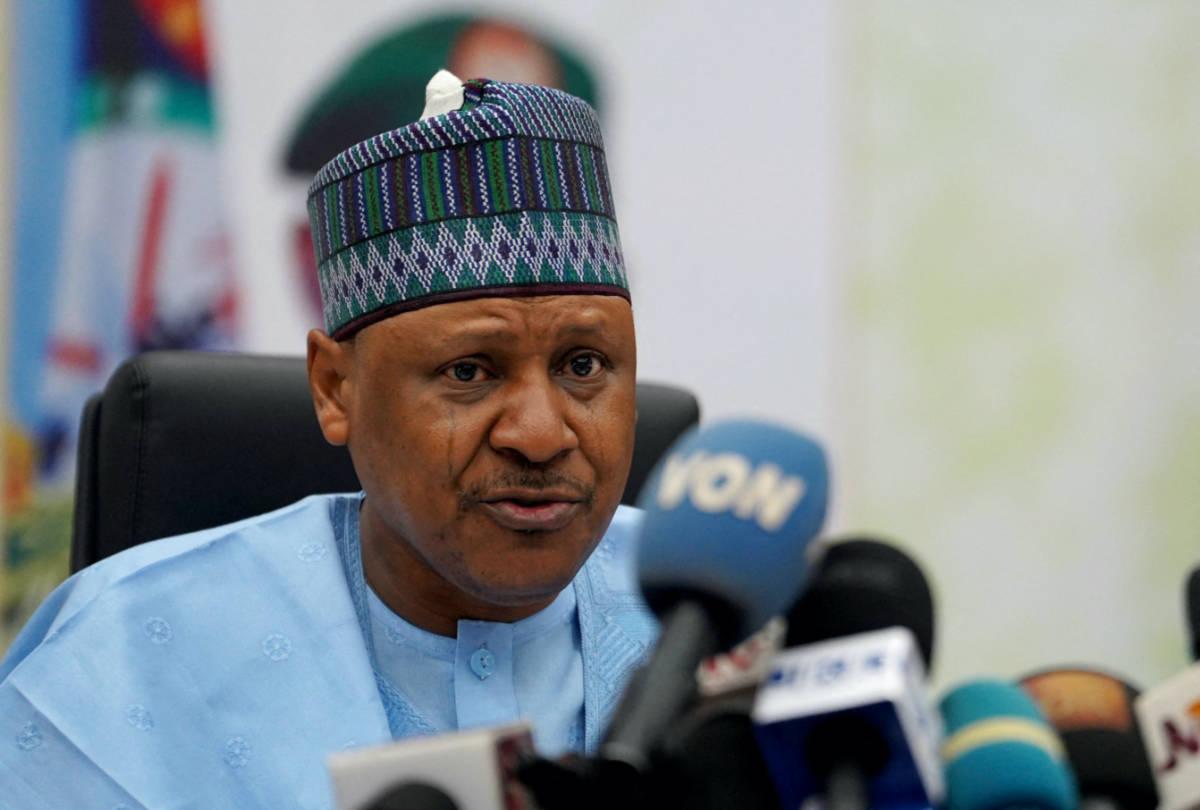
Nigeria remains on a steady path toward long-term economic growth and national stability, contrary to claims that the country is nearing collapse, the Minister of Information and National Orientation, Alhaji Mohammed Idris, has stated.
Speaking in Abuja at the 2026 Voice of Nigeria (VON) Forum, Idris urged citizens to reject negative narratives about the nation’s future and instead focus on ongoing reforms and progress.
The forum, themed “51 Years of Nigeria’s Role in Deepening Democratic Stability in ECOWAS,” brought together key stakeholders to discuss Nigeria’s regional contributions and internal development.
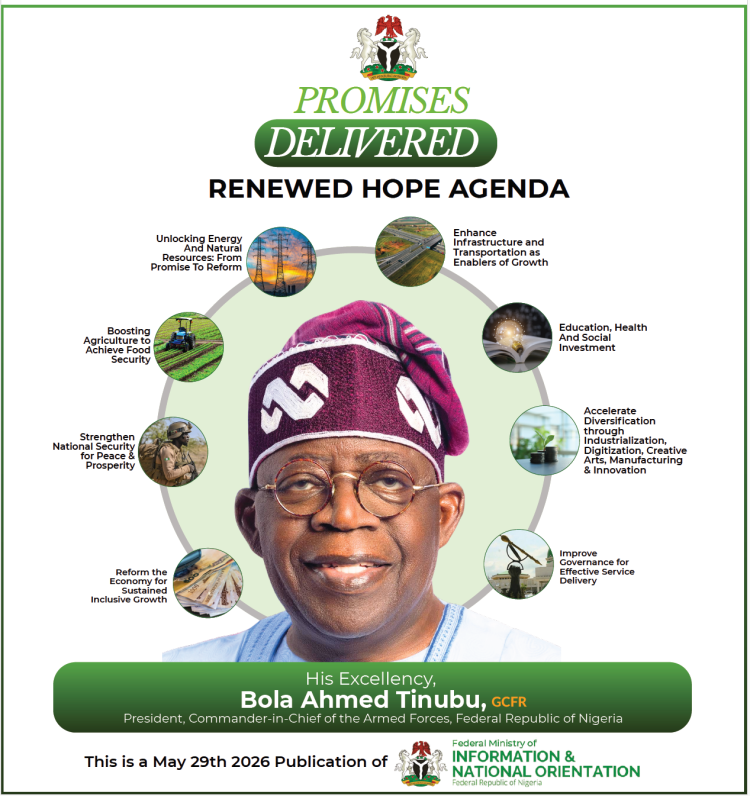
According to the minister, the administration of President Bola Tinubu is committed to repositioning Nigeria as a leading force in Africa through strategic economic and security reforms.
He emphasized that while challenges exist, describing Nigeria as a failing state is misleading and harmful to national image and investor confidence.
Idris pointed out that the government is actively addressing security concerns and economic pressures through coordinated policies and increased funding.
He revealed that the 2026 national budget allocated ₦5.41 trillion to security—the highest sectoral allocation—to enhance military capacity and strengthen national safety.
The minister noted that security operations in 2025 led to the elimination of key terrorist leaders and the rescue of over 2,000 kidnapped victims nationwide.
Additional operations resulted in the arrest of hundreds of suspects and the rescue of nearly 1,000 more hostages, reflecting improved coordination among security agencies.
He also highlighted Nigeria’s role in regional security, including collaboration with the United States on counterterrorism operations and support for ECOWAS plans to establish a large-scale regional security force.
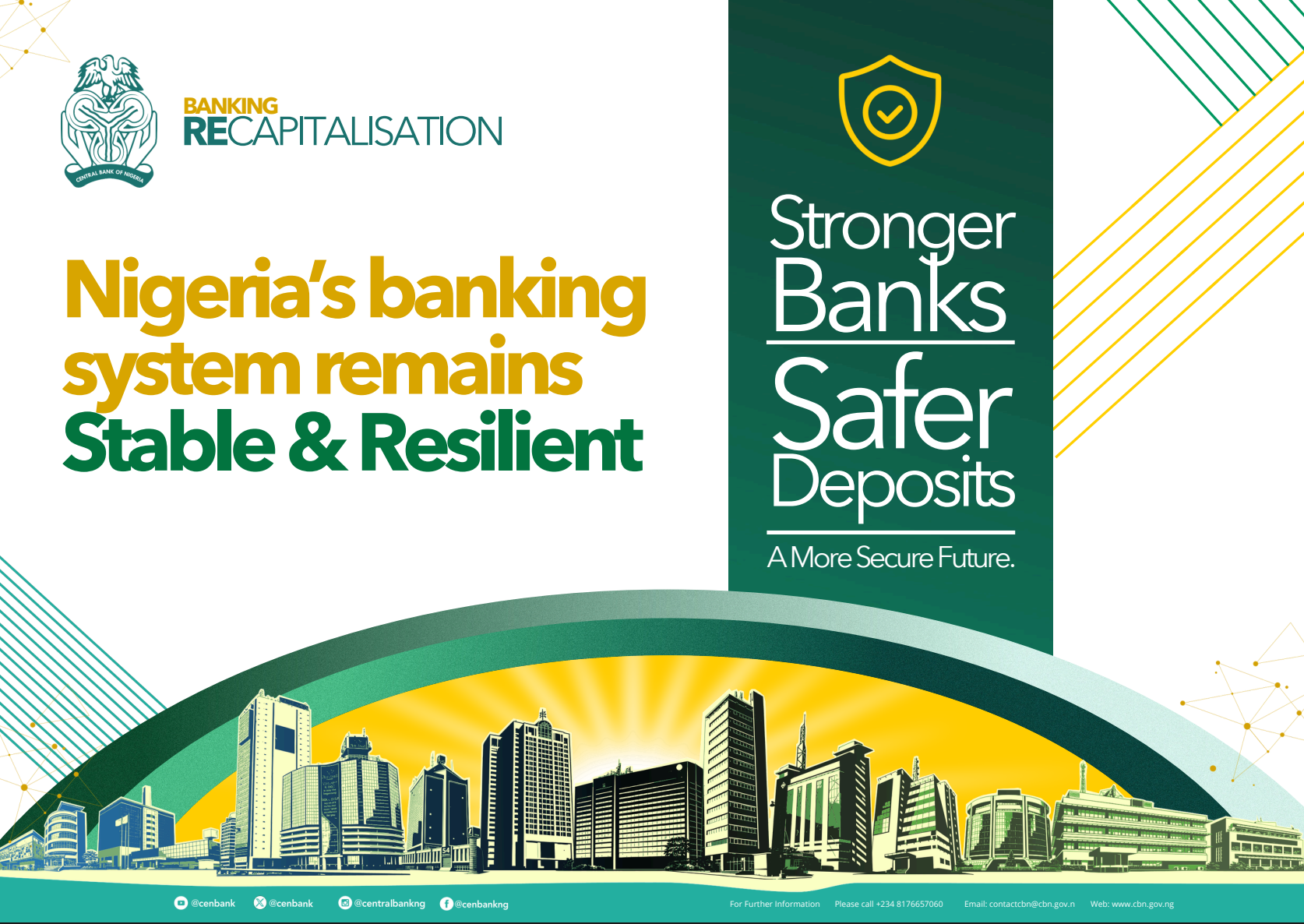
On the economic front, Idris said key indicators show signs of recovery and growth. He cited a drop in inflation from about 30 percent in 2024 to roughly 15 percent by late 2025.
He added that foreign direct investment is increasing, while Nigeria’s Gross Domestic Product (GDP) growth has exceeded projections, reaching over 4 percent.
The country’s foreign reserves have also surpassed $50 billion for the first time in over a decade, signaling improved fiscal stability.
In addition, Nigeria was recently removed from the Financial Action Task Force (FATF) grey list, a development expected to boost international business confidence.
Global institutions including the World Bank and the International Monetary Fund (IMF) project Nigeria’s economy to grow between 4.2 and 4.4 percent in 2026—above the global average.
Idris further disclosed that IMF projections suggest Nigeria could overtake Algeria to become Africa’s third-largest economy by 2036.
He stressed that ongoing social investment programmes and infrastructure development are helping to reduce poverty and support vulnerable populations.
The minister called on Nigerians to promote positive narratives that reflect the country’s progress and attract foreign investment.
Also speaking at the event, Director-General of Voice of Nigeria, Malam Jibrin Ndace, said the forum aligns with the policy direction of the Tinubu administration.
Ndace noted that the initiative aims to strengthen democratic institutions, promote unity, and encourage constructive public dialogue.
He also paid tribute to Nigeria’s founding leaders, particularly former Head of State, Gen. Yakubu Gowon (rtd), for their role in establishing ECOWAS in 1975.
The forum celebrated contributions from diplomats, journalists, and members of the armed forces toward regional peace and stability.