



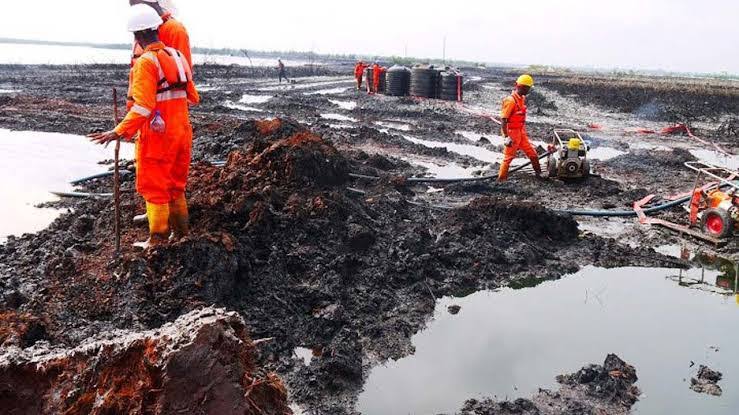
The Movement for the Survival of Ogoni People (MOSOP) has called on the Federal Government and oil companies to adhere strictly to international wetlands conservation standards before any resumption of oil operations in Ogoniland, following the area’s designation as a Ramsar Site of International Importance.
MOSOP President, Olu Andah Wai-Ogosu, made the call in a statement released to journalists in Port Harcourt on Tuesday. He described the Ramsar recognition as a historic milestone that validates the ecological significance of Ogoniland’s wetland systems and reinforces the decades-long advocacy by the Ogoni people for environmental justice.
According to Wai-Ogosu, the listing by the Ramsar Convention on Wetlands Secretariat places Ogoniland within a global network of ecologically sensitive zones that must be preserved under internationally binding conservation frameworks. He stressed that this recognition introduces new legal and environmental obligations that must shape all future government policy and corporate activity in the region.
The MOSOP leader specifically warned that any plans to restart hydrocarbon exploration or production in the area must be subjected to comprehensive environmental impact assessments that align with Ramsar Convention obligations. He insisted that no activity — whether by oil firms, contractors, or government agencies — should be allowed to compromise the ecological character of the wetlands.
Wai-Ogosu commended the Hydrocarbon Pollution Remediation Project (HYPREP), led by Nenibarini Zabbey, for its contribution toward securing the international recognition. He noted that after years of environmental damage caused by poorly regulated oil operations, the designation marks a turning point in how the region is perceived and managed.
He further stated that Ogoniland should no longer be viewed solely as an oil-producing territory but as an internationally recognized ecological asset, with its protection now tied to Nigeria’s global environmental commitments.
MOSOP, he said, would continue to monitor developments closely and would not hesitate to engage both domestic and international accountability mechanisms to ensure that the obligations attached to the Ramsar designation are fully respected and enforced.