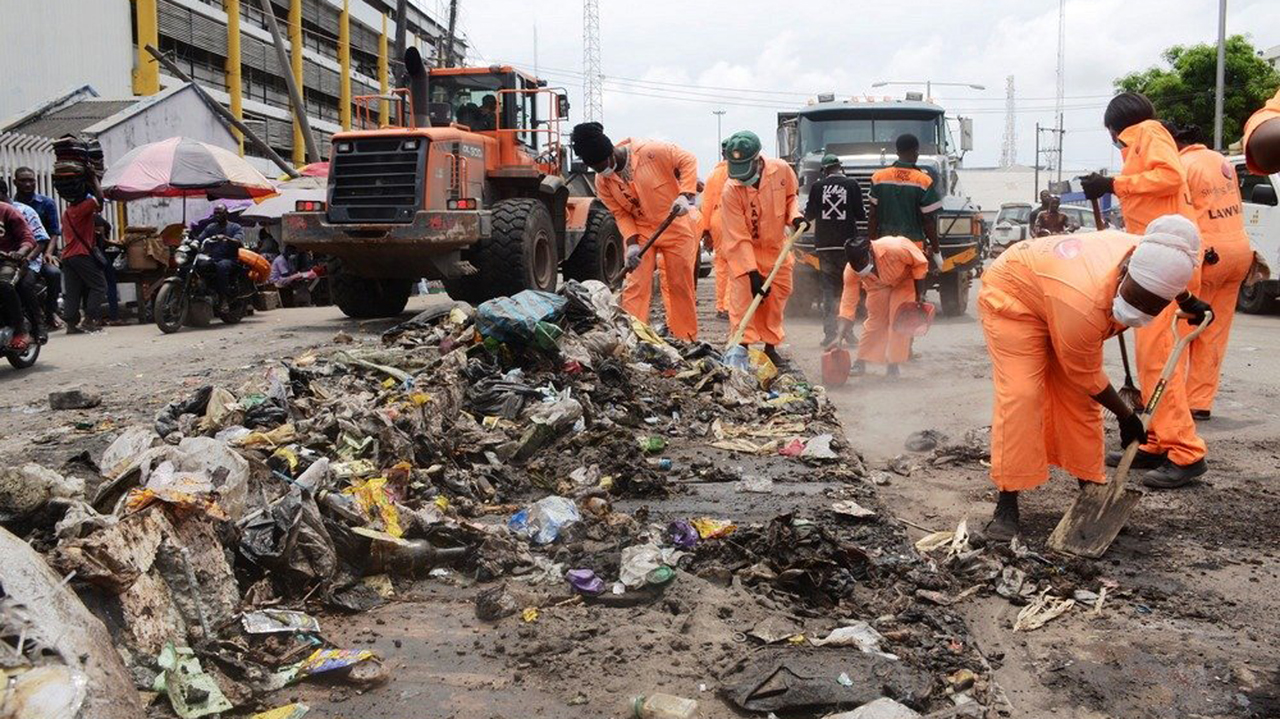
The Lagos Waste Management Authority (LAWMA) has emphasized the necessity to update the state’s waste management master plan in response to emerging challenges and the growing demands of Lagos as a rapidly expanding megacity.
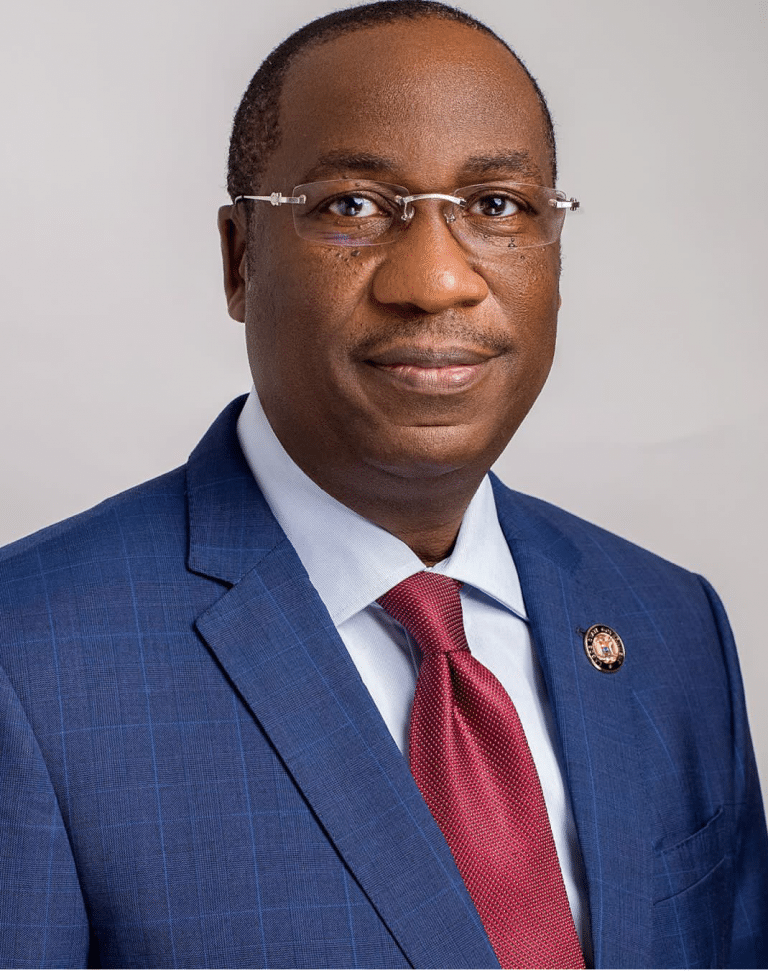
In a statement issued on Friday, Dr. Muyiwa Gbadegesin, the Managing Director of LAWMA, outlined the need for the update to reflect the evolving urban landscape and changing waste generation patterns.
Gbadegesin explained that Lagos has operated a rolling waste management framework since the tenure of former Governor Babatunde Raji Fashola, which has been instrumental in driving sector reforms and improvements over the years. However, he noted that the rapid population growth, emerging urban challenges, and evolving waste trends now demand a more comprehensive and future-ready strategy to sustain progress and meet the city’s increasing demands.
“We are building on an existing foundation,” said Gbadegesin. “The waste management system in Lagos has evolved over time, and the current effort is to update the framework to reflect new realities and position the state for the future.”
The updated master plan, he stated, would serve as a strategic roadmap for planning critical infrastructure investments and system upgrades over the next 10 to 15 years.
Gbadegesin highlighted several key priority areas under the revised plan, including the development of landfills, establishment of material recovery facilities, waste-to-energy systems, and biogas plants. Additionally, he pointed to the acquisition of mechanical street sweepers and the expansion of the Public-Private Partnership (PPP) framework through Private Sector Participation (PSP) operators.
He also emphasized that the updated framework would focus on capacity building and foster the local manufacturing and assembly of waste management equipment, including compactor trucks and tricycle compactors.
The long-term goal, according to Gbadegesin, is to transition Lagos towards a zero-waste economy, minimizing waste generation while maximizing resource recovery, recycling, and reuse.
He further stressed that such a transition would not only enhance environmental sustainability but also create significant economic opportunities within the waste management value chain.
Gbadegesin concluded by reaffirming LAWMA’s commitment to continuous reform, strategic planning, and ongoing collaboration with stakeholders and development partners to build a more efficient, resilient, and sustainable waste management system for Lagos.