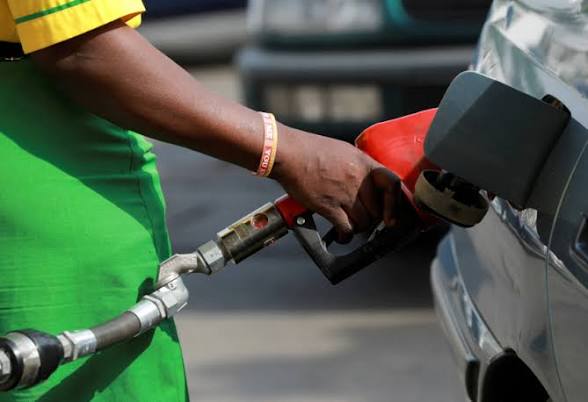
Economic analysts have identified rising fuel and energy costs as the key factors behind Nigeria’s recent increase in inflation, warning that price pressures may persist without structural reforms.
Speaking in Abuja, experts noted that increases in petrol, diesel, and gas prices are driving up transportation and production costs, leading to higher prices for goods and services nationwide.
A development economist, Prof. Ken Ife, explained that energy plays a central role in Nigeria’s economy, influencing everything from logistics to manufacturing.
He said the country’s inflation rate, which rose slightly to 15.38% in March, reflects the growing impact of energy-related costs despite a previous downward trend.
According to Ife, rising fuel prices directly affect the cost of moving goods and people, pushing up prices across multiple sectors.
He added that increases in global gas prices have also raised electricity generation costs, resulting in higher tariffs for consumers and increased operational expenses for businesses.
The economist stressed that while global factors such as geopolitical tensions may influence energy prices, Nigeria’s inflation challenges are largely driven by internal inefficiencies.
He pointed to issues in the oil and gas sector particularly the allocation of crude oil, which he said is limiting the efficiency of local refineries.
Ife highlighted concerns about insufficient crude supply to domestic facilities, including the Dangote Refinery, forcing operators to import crude at higher costs.
These additional expenses, he said, ultimately translate into higher fuel prices for consumers.
To address the situation, Ife urged the government to prioritise crude supply for local refining and ensure transactions align with existing policies, including payments in local currency.
He argued that such measures would help stabilise fuel prices and reduce inflationary pressures.
The economist also warned against reintroducing fuel subsidies or relying on excessive borrowing, describing both approaches as unsustainable in the long term.
Similarly, economist Chidi Nwanze attributed the inflation increase to persistent pressures in transportation, exchange rates, and service costs.
He noted that these structural factors continue to shape Nigeria’s inflation trends despite previous improvements.
Financial analyst Segun Ibikunle expressed concern over the sharp rise in month-on-month inflation, which climbed to 4.18% in March, indicating a faster pace of price increases.
He warned that if the trend continues, it could erode the progress made in stabilising inflation over the past year.
Data released by the National Bureau of Statistics (NBS) showed that Nigeria’s headline inflation rose slightly from 15.06% in February to 15.38% in March on a year-on-year basis.
The report also indicated that food prices, transportation costs, and accommodation services were the main contributors to inflation during the period.
Experts say addressing structural issues in the energy sector remains critical to controlling inflation and improving economic stability in Nigeria.