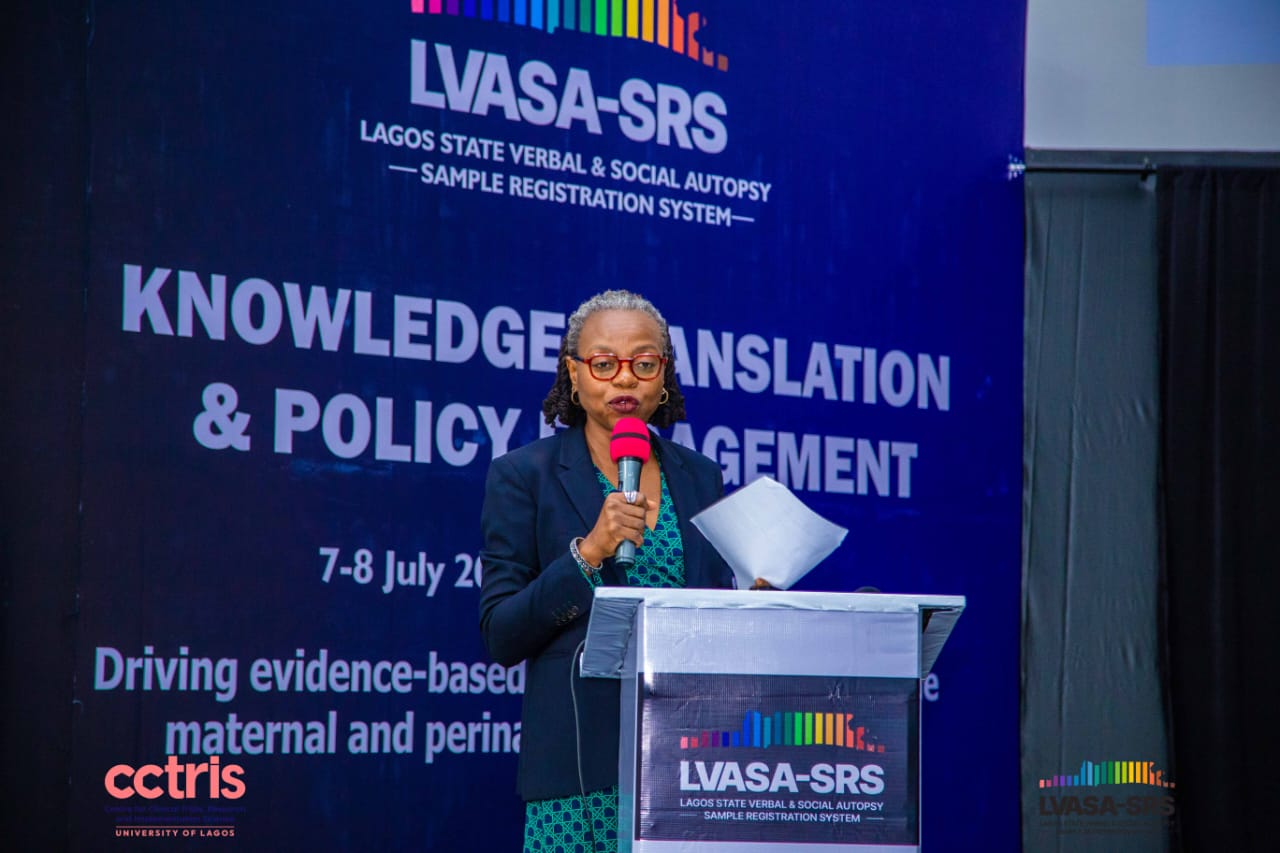
How to reduce high maternal and perinatal deaths in Lagos State was the focus of a health stakeholders’ engagement in Lagos on Monday and Tuesday.
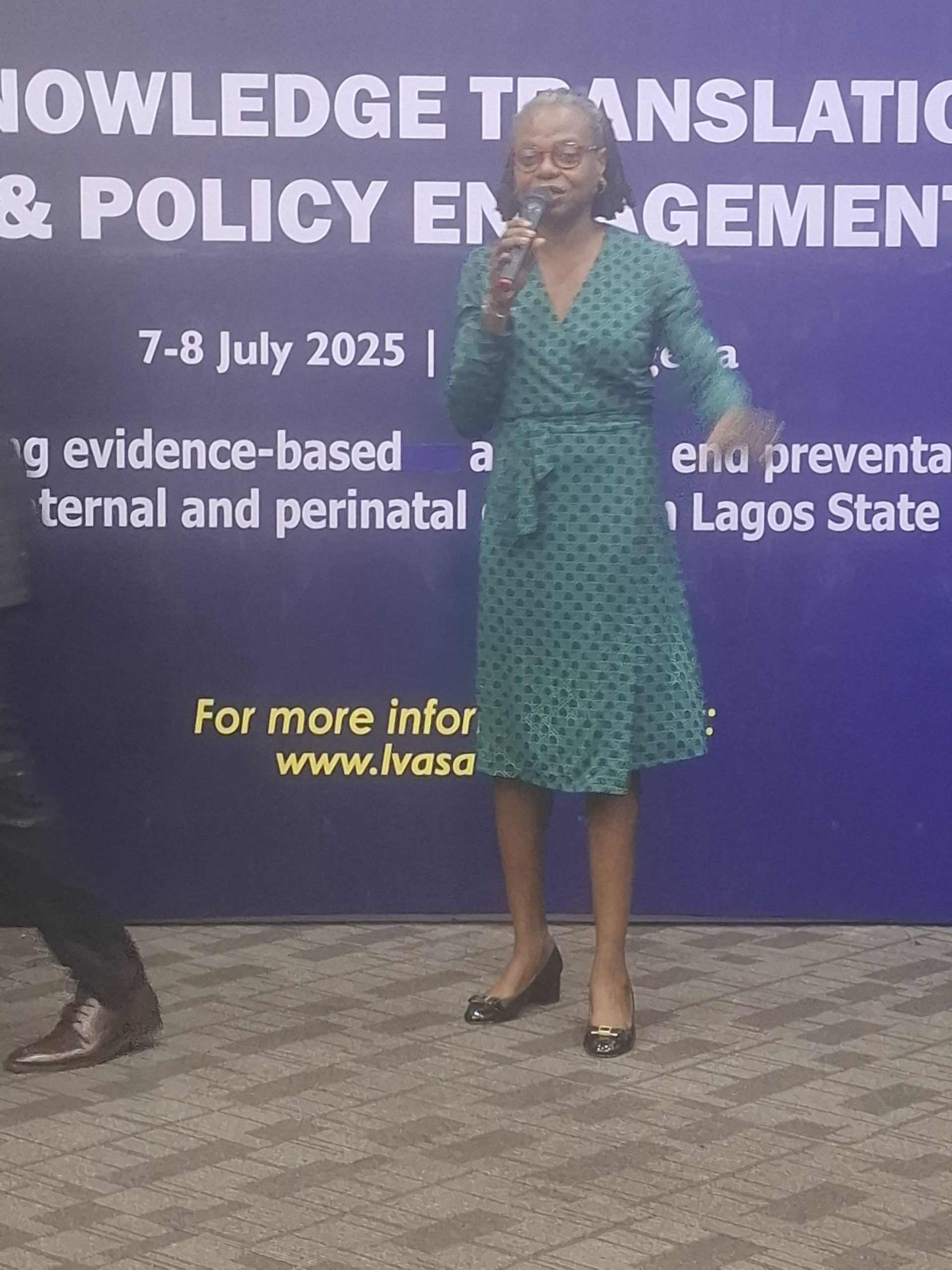
The event, held at the prestigious Providence Hotel, GRA, Ikeja was fully attended by medical professionals – private and government – across all the 20 Local Governments and 37 Local Council Development Areas of the Centre of Excellence.
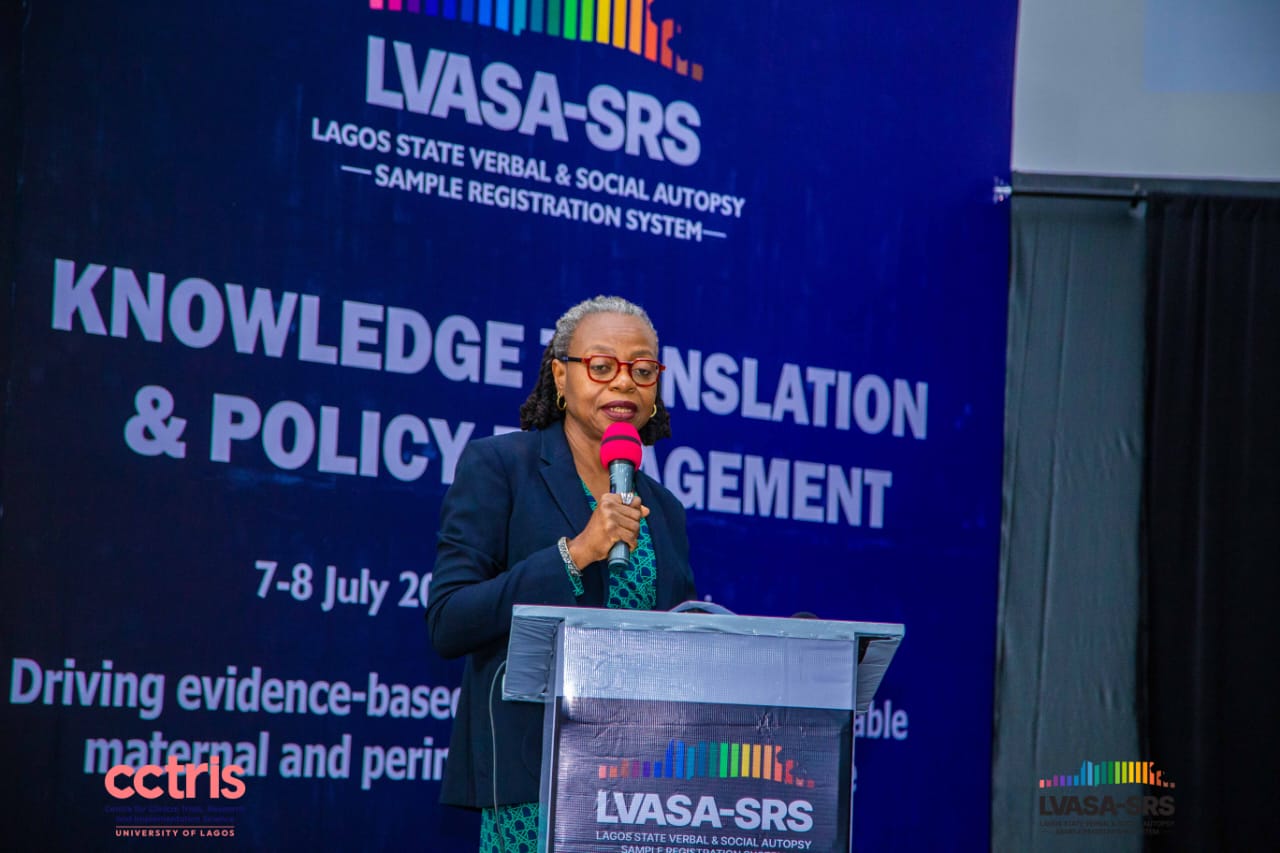
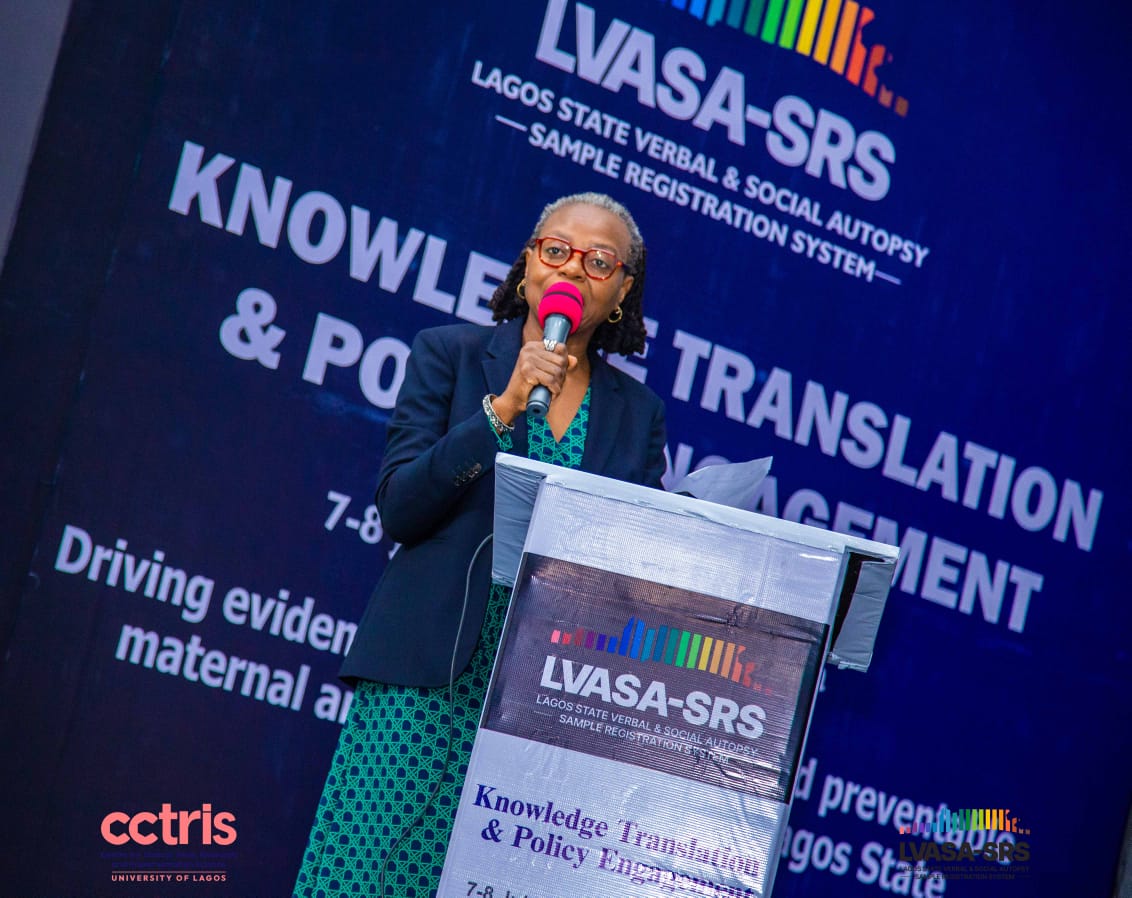
Professor Bosede B. Afolabi, the Principal Investigator, was the cynosure of all eyes at the hall which was ‘full to the brim’.
Funded by Gates Foundation, the Lagos State Verbal and Social Autopsy Sample Registration System (LVASA-SRS) project is a flagship initiative of the Lagos State Government, implemented in collaboration with researchers from the Lagos University Teaching Hospital (LUTH), Lagos State University Teaching Hospital (LASUTH) and the London School of Hygiene and Tropical Medicine.
The project is designed to strengthen maternal and perinatal death surveillance and response in the state.

The goal was also to generate reliable estimates of maternal deaths and stillbirths in Lagos State and to uncover their biological causes as well as the social, cultural and health system factors contributing to these preventable health-related events.
Project partners included Centre for Clinical Trials, Research and Implementation Science (CCTRIS), Maternal and Reproductive Health Collective (MRHC), African Population and Health Research Centre (APHRC), National Population Commission (NPC) and National Bureau of Statistics (NBS).
To the health experts, high maternity deaths in Lagos may persist unless the barriers to professional care are removed.
According to the experts, there is a need for strategic stakeholders’ involvement, effective communication and constant enlightenment.
The experts and co-investigators include Prof. Bosede Afolabi, Prof. Aduragbemi Banke-Thomas, Prof. Ololade Wright, Dr. Adeyemi Okunnowo, Dr. Veronica Iwayemi, Dr. Adedoyin Ogunyemi, Dr. Kemi Ogunyemi, Dr. Brenda Isikekpei, Dr. Laidi Abudu, Dr. Wilfred Dotse-Gbogbortsi, Dr. Vincent Were, Dr. Fatimat Akinlusi, Dr. Donald Imosemi, Dr. Victoria Omoera, Dr. Donald Imosemi and Mr. Hameed Adelabu.

The Project Manager, Pharmacist Ndubuisi Ezumezu, spoke on Tool Adaptation and Translation while the Operations Manager of CCTRIS, Mrs. Rachel Thompson, ensured the smooth conduct of the event.
The experts spoke at the session with the theme: ‘Knowledge Translation and Policy Engagement’.
The report of painstaking research on victims was given to participants, majorly health workers, policy initiators and the media.
Stakeholders were also introduced to the LVASA-SRS project.
Speaking at the event, Bosede Afolabi, Professor of Obstetrics and Gynecology at the College of Medicine, University of Lagos (UNILAG), said the project is a system-based method of accurately measuring maternal mortality and stillbirth rates in Lagos State.
“It’s a systematic, rigorous and evidence-based method of measuring maternal mortality in Lagos State. In this method, over one year, what we did was go into households to find out if they had had any deaths of women in pregnancy and childbirth, and record those deaths, asking questions about the deaths and causes.
“Apart from clinical causes, finding out the social causes that led to the deaths. You cannot fix anything if you don’t know the actual number. Knowing the numbers accurately and the causes is the first step towards determining how to fix the problem”.
Afolabi said households were systematically sampled using digital maps to choose those that were visited across the LGAs within the state.
“Fifty households each were selected across the LGAs,” she noted.
She added that the first phase is to present the findings of the project, then start implementation and make it sustainable.
Afolabi, who is also the Principal Investigator of the project, added that delivery should always be handled by skilled professionals, adding that healthcare centres should be more accessible and affordable.
“We need to understand the value of women and end discrimination. If we value them, we will ensure that they do not die during pregnancy.
“We need to ensure that childbirth is totally and truly free so that more women can attend hospitals and seek help from professional caregivers.”
Also speaking, Dr. Kemi Ogunyemi, Special Adviser on Health to Governor Babajide Sanwo-Olu of Lagos State, noted that comprehensive data on maternal health can be challenging to obtain, and understanding why and how people are dying needs effective targetted interventions.
“The verbal and social autopsy system is a critical tool in our quest for healthier Lagos,” Ogunyemi said.
“In a developing context like ours, where comprehensive and vital registration data can sometimes be challenging to obtain, LVASA provides valuable insight into the causes of deaths, especially among vulnerable populations.
“By understanding why and how people are dying, we can better target our interventions, allocate resources more effectively, and develop evidence-based policies that truly save lives.
“This system is not just about numbers; it is about giving voice to the voiceless and ensuring that every life counts.
“The Lagos State government is unequivocally committed to strengthening our healthcare system. We believe in a data-driven approach to public health where every citizen has access to quality healthcare.
“The LVASA project aligns perfectly with our health agenda, which prioritises primary care and healthcare, maternal and child health, and disease surveillance”.
She noted that it is not enough to generate data but to ensure that it is effectively disseminated, understood and translated into actionable policies and programmes that will benefit the people.
According to the medical experts, there is need for strategic stakeholders’ involvement, effective communication and constant enlightment.
The goal is to drive evidence-based actions to end preventable maternal and perinatal deaths in the state.
There was a panel discussion on ‘The future of Maternal and Perinatal Death Surveillance and Response (MPDSR) implementation in Lagos State’ moderated by Banke-Thomas. The panelists are Dr. Ibrahim Mustapha, a permanent secretary, Lawal Musibau, Chairman of Lagos State House of Assembly Committee on Health, Prof. Adetokunbo Fabamwo, Dr. Donald Imosemi, Dr. Kay Adesola, Dr. Folasade Oludara, Mr. Beloved Ekwebelem, and Mr. Lawal Friday, a relative of a woman who passed on due to maternal issues.
Prof. Ireti Akinola spoke on ‘Legal framework supporting MPDSR implementation in Lagos State.’
Goodwill messages came from the partners – Governor Babajide Sanwo-Olu, Rodio Diallo, Deputy Director of Bill Gates Foundation, Gaye Agesa of APHRC and Dr. Olusegun Ogboye , Permanent Secretary, Lagos State Primary Health Board.
Curiously, in the study focusing on urban, sub-urban and urban local governments, 745 maternal deaths per 100,000 births were recorded.
Prof. Afolabi said: “We need to understand the value of women and end discrimination. If we value them, we will ensure that they do not die during pregnancy. We need to ensure that child birth is totally and truly free so that more women can attend hospitals and seek help from professional caregivers”.
Afolabi urged women to understand that the belief that the first born should be delivered at home is not true.
She said delivery should always be handled by skilled professionals, adding that health care centres should be more accessible and affordable.
Afolabi stressed the importance of family planning, warning against unwanted pregnancies, particularly among teenagers.
She noted that families inadvertently hurt society by encouraging the ‘Japa syndrome’, adding that the best brains in the medical profession should be retained.
Afolabi added:”Government should employ more doctors and nurses, remunerate them and retain them with the best of incentives.”
She praised the Lagos State for its commitment to the health sector, urging the state government to do more.
Okunnowo, who reflected on the causes of maternal deaths, attributed the incidence to hypertensive disorders at pregnancy, abortion related issues, haemorrage and ruptured uterus.
Ogunyemi, who spoke on the barriers to care, lamented that findings from the social autopsy revealed a very awful picture of tragedies arising from personal, community and public-related factors.
She said the decision to delay help by pregnant women were due to the lack of appreciation of danger signs and their inability to perceive the severity of illness.
Ogunyemi also alluded to socio-cultural beliefs and norms, including traditional or faith-based care.
The medical practitioner frowned at reliance on herbs and the attribution of maternal deaths to the will of God, and the community and health official accountability deficit.
Other factors are the non-availability of transportation, difficulty in arranging for public transportation which can cause death in an emergency situation, and bad roads which make homes of the patients unaccessible or completely detached.
Ogunyemi said: “Financial constraints could lead to inability to purchase blood, referral delay which is also linked to transportation problems and flat bills at the onset could lead to on the spot decline by patients.”
She said health workers’ poor attitude to patients may discourage them from seeking the appropriate care from hospitals and primary health care centres.
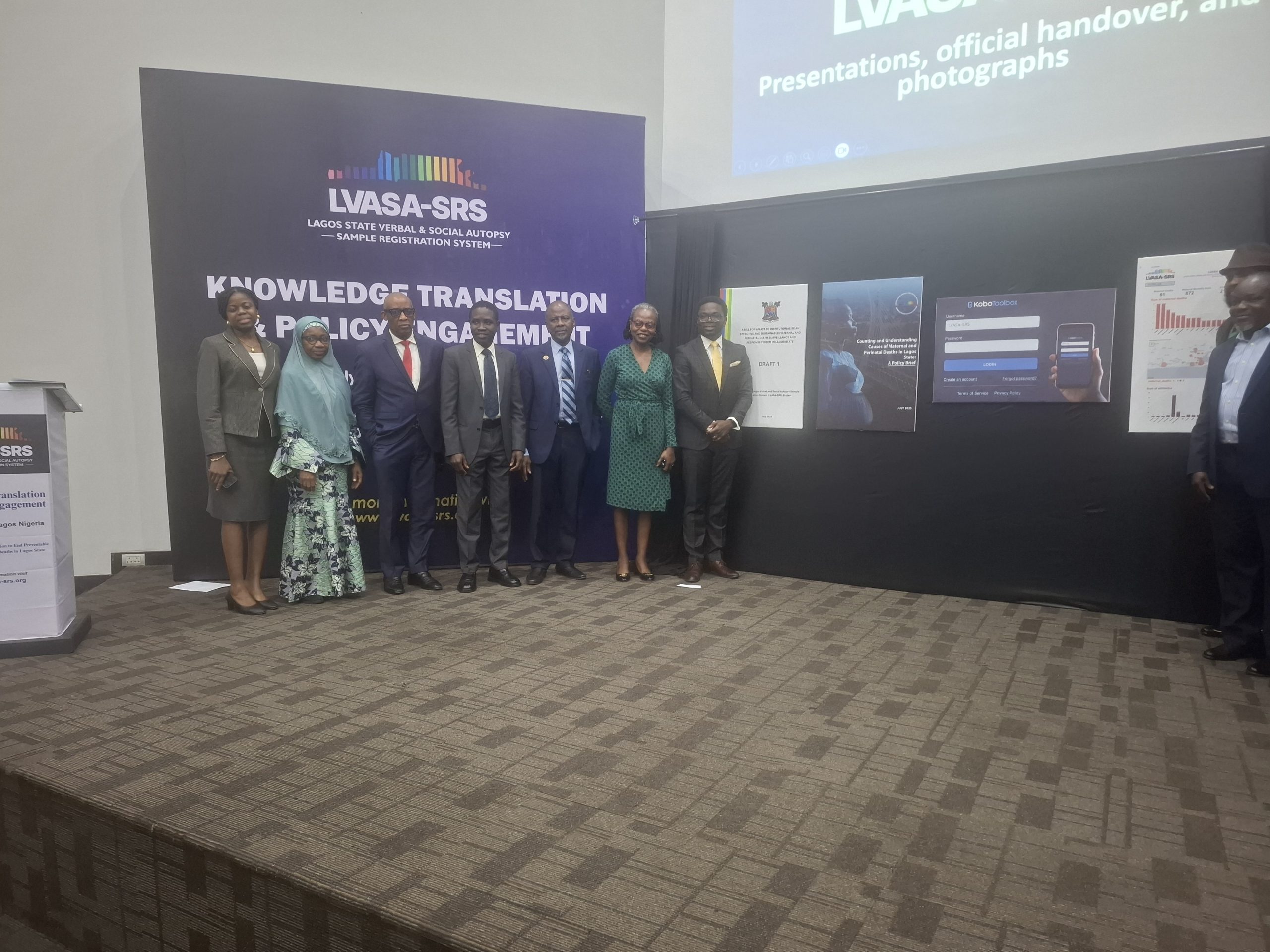
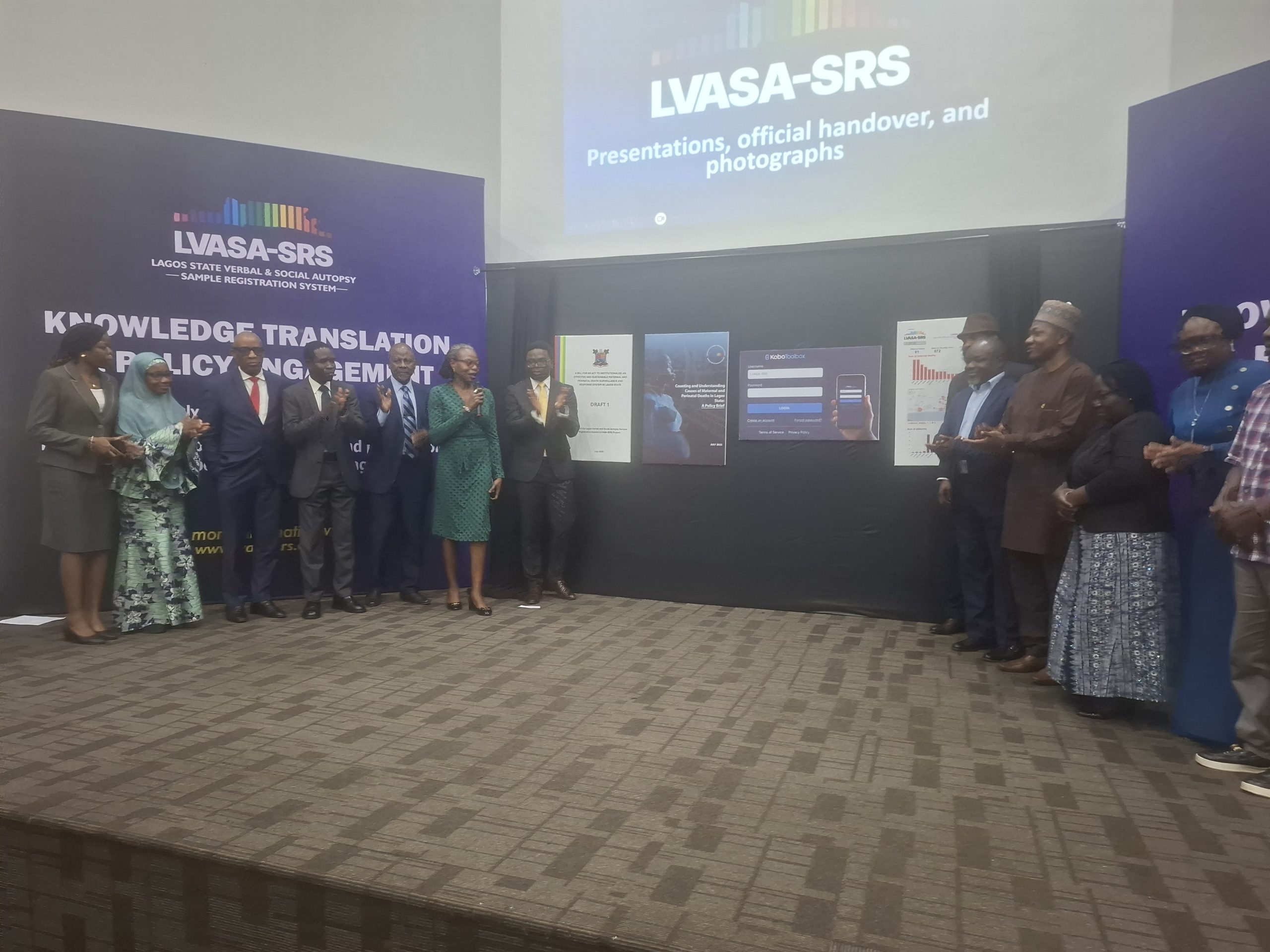
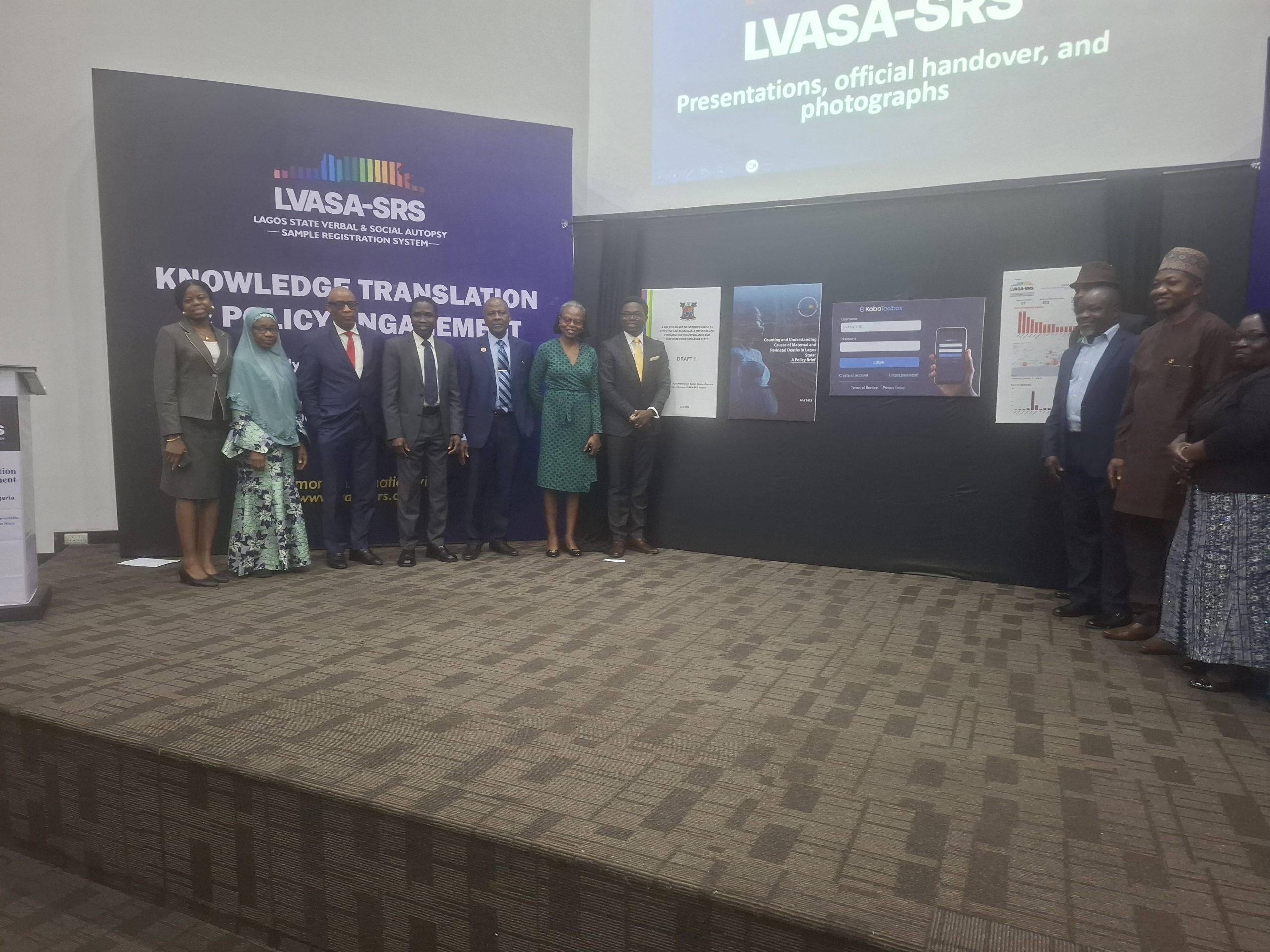
And in a significant step towards reforming maternal and perinatal health governance, results of the project were formally handed over to the Lagos State government.
At the heart of the presentation was a draft bill aimed at embedding a permanent, data-driven surveillance and response system into the state’s health structure.
The draft bill presented at the event seeks to formally establish and sustain the surveillance system developed through LVASA-SRS.
If passed, it will require mandatory reporting and investigation of maternal and perinatal deaths, standardise response procedures, and ensure accountability across the healthcare system.
The handover marked the official transition of the project from research to policy action, and in addition to the proposed legislation, the team also submitted a policy brief titled ‘Counting and Understanding Causes of Maternal and Perinatal Deaths in Lagos State’. Both documents are designed to guide long-term strategies in tackling maternal deaths and stillbirths with precision.
According to LVASA-SRS findings, Lagos recorded 61 maternal deaths, yielding a maternal mortality ratio (MMR) of 872 per 100,000 live births, and 218 stillbirths with a stillbirth rate of 30.2 per 1,000 births during the time of the investigation.
The data, collected across all councils, also revealed wide geographic variation. Badagry and Alimosho each recorded eight maternal deaths, making them the highest-burdened areas. For stillbirths, Lagos Mainland stood out sharply with 90 cases, the highest single LGA count.
A spatial heat map presented during the event showed clusters of maternal deaths in locations like Agege, Ikorodu, Amuwo-Odofin, and Satellite Town, underscoring the need for more localised, community-level interventions.
Prior to the project, only about 10 per cent of deaths and virtually no stillbirths were officially registered, according to the National Population Commission.
To reverse this trend, the Lagos State Government initiated efforts in 2023 to build a more responsive system, starting with multi-stakeholder consultations, knowledge-sharing sessions with Kaduna State, and community validation meetings.
These engagements led to the development of Lagos’ own community-based Maternal and Perinatal Death Surveillance and Response (MPDSR) guidelines, finalised in February 2024 and piloted in Ikorodu and Ifako-Ijaiye LGAs. The pilot was led by the Lagos State Primary Health Care Board in collaboration with UNFPA and Project Aisha.
LVASA-SRS then expanded the initiative state-wide, surveying over 127,000 households, the largest effort of its kind in Lagos and among the most comprehensive in Africa.
The research involved 160 data collectors and 88 autopsy officers, trained in both verbal and social autopsy methods to uncover causes of death and systemic lapses.
During the handover, Prof. Bosede Afolabi emphasised that while Lagos is often regarded as having one of the most organised health systems in Nigeria, serious gaps persist.
These include limited access to fully functional health facilities, a shortage of human resources, and a troubling trend of healthcare workers migrating abroad for better opportunities.
She noted that although there are health centres in every local council, availability doesn’t always equal access, especially when infrastructure, equipment or trained personnel are lacking.
Afolabi also stressed the importance of community education, valuing women’s health, and ensuring that maternal care is truly free, not just partially subsidised.
She called attention to the importance of family planning education, noting that unplanned pregnancies further strain the system and increase the risk of maternal death. “It’s not the woman alone, men must also be educated on shared responsibility,” she added.
The accompanying policy brief provides clear recommendations to guide implementation, sustainability and integration of the surveillance framework into state health planning.
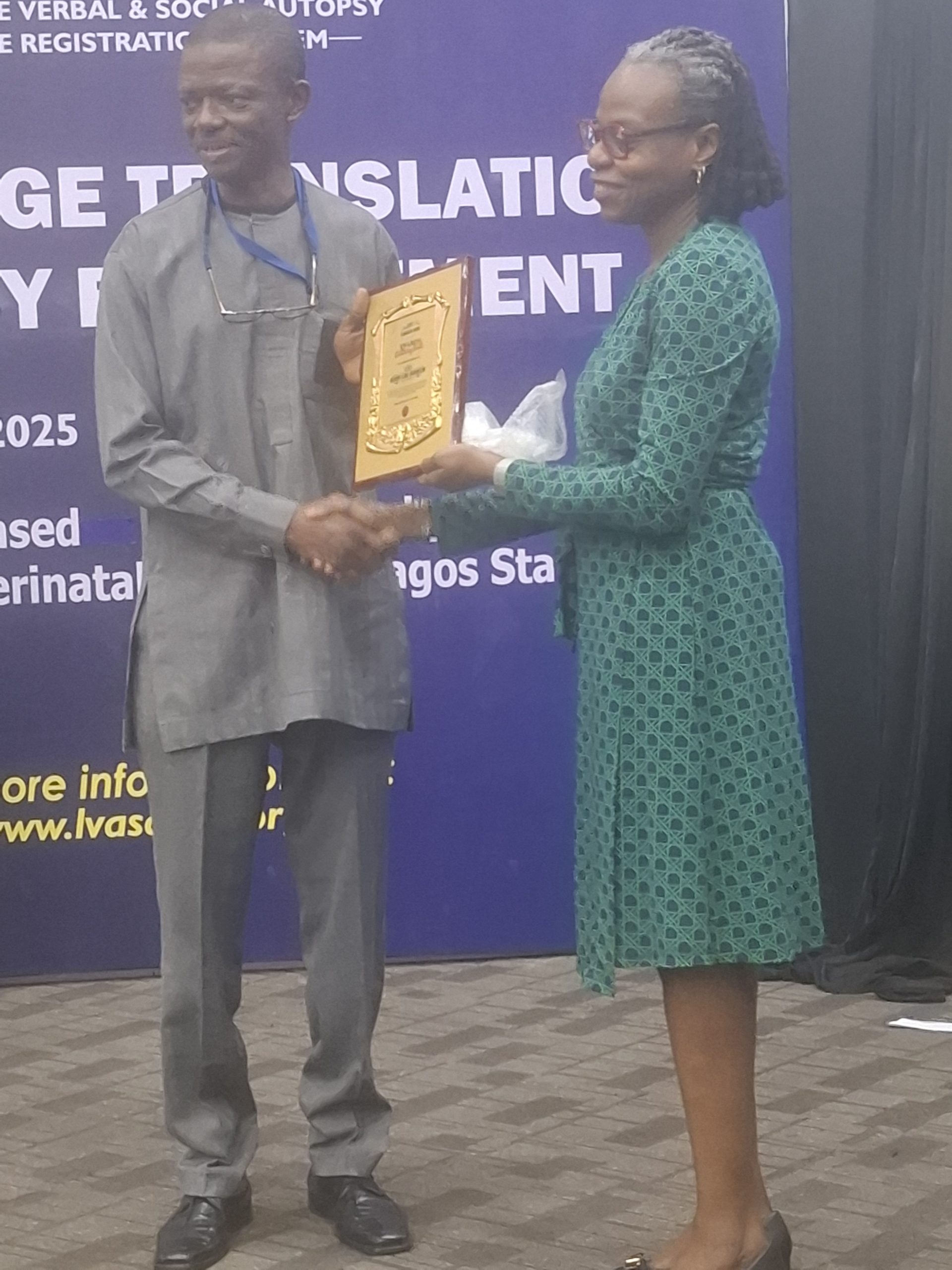
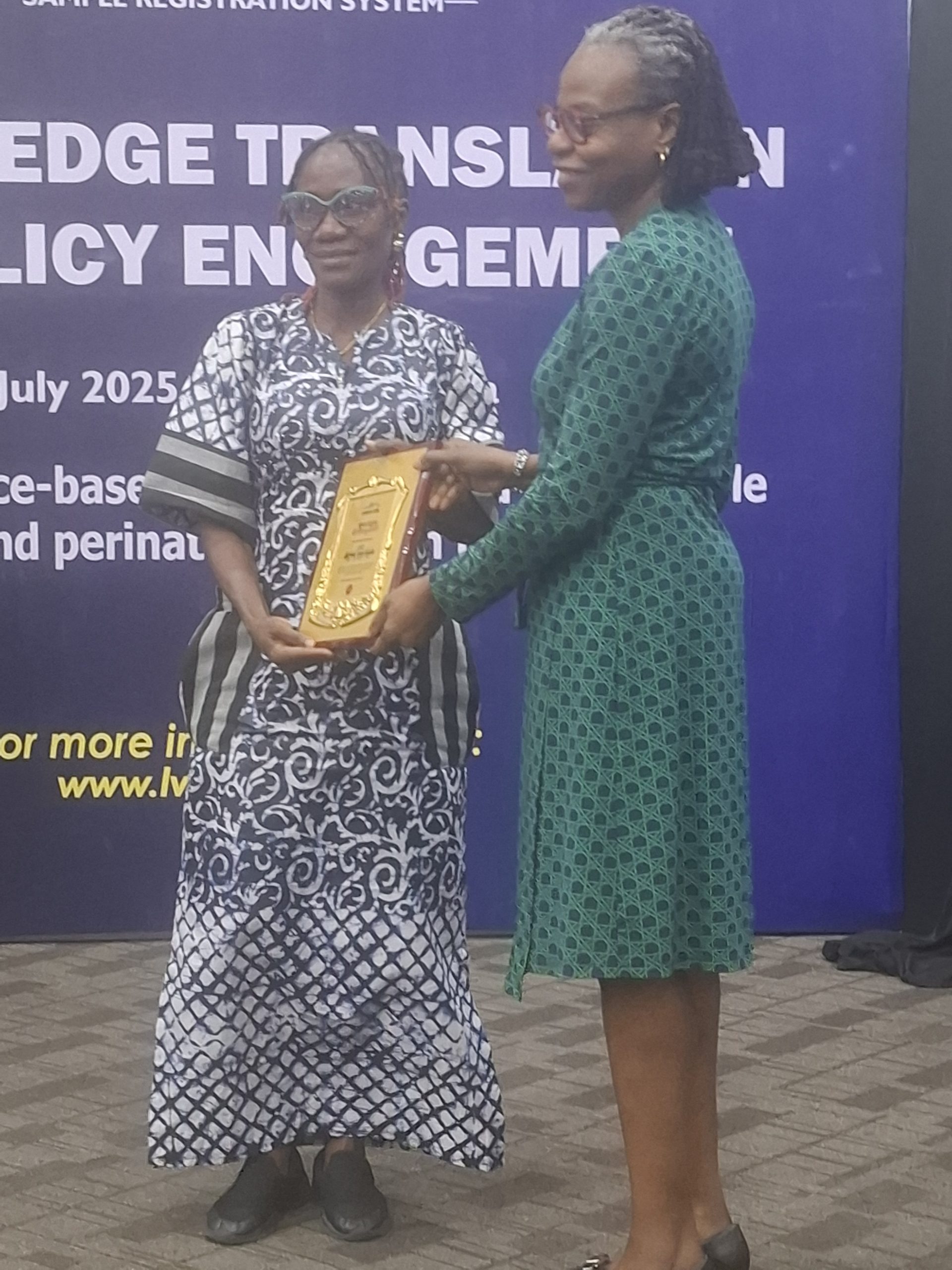
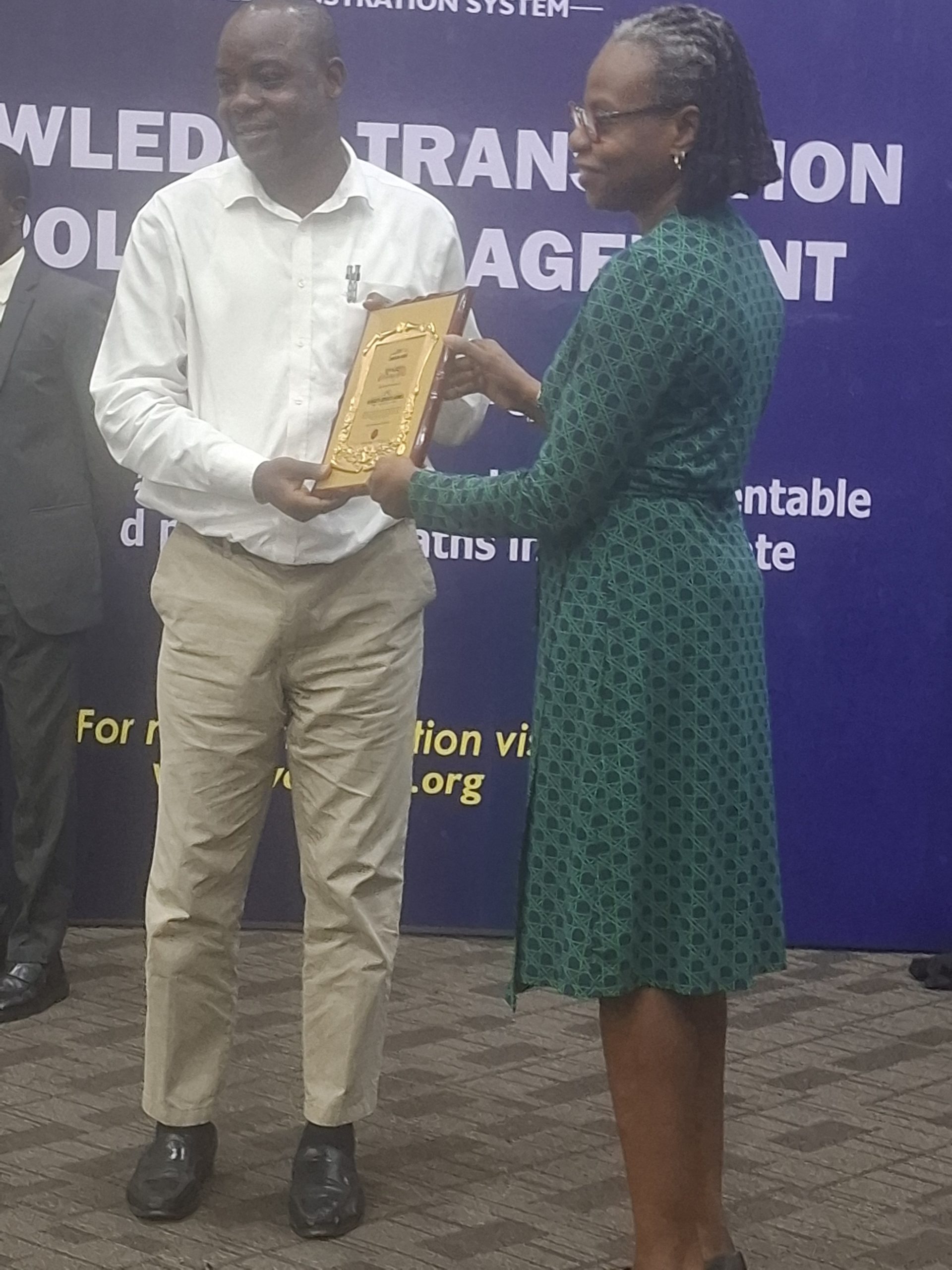
Plaques were given to some field workers to commend them for their dedication to the project.
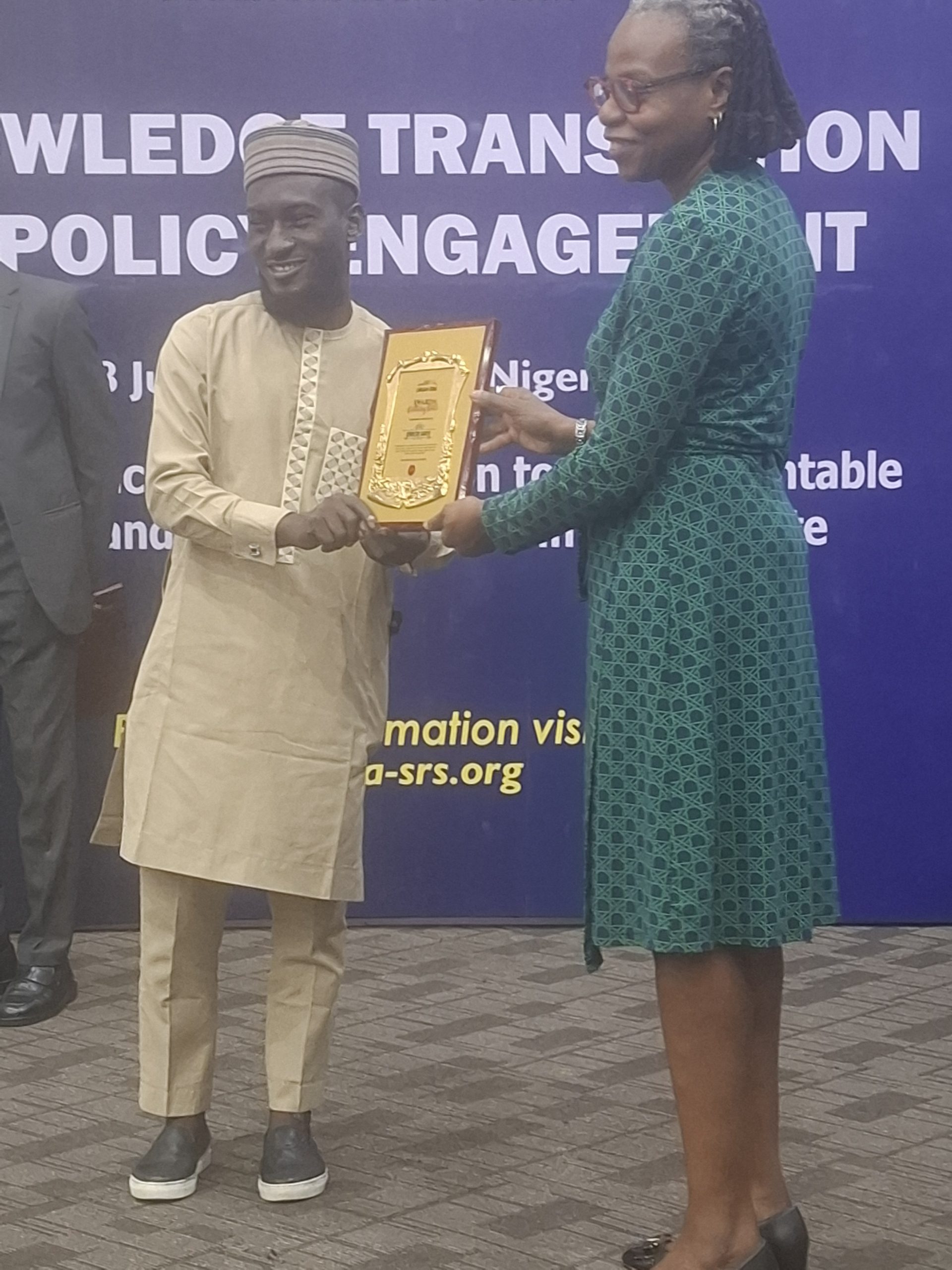
The plaques were presented by Prof. Afolabi.