The Federal Government has recorded 653 convictions in the latest round of terrorism trials at the Federal High Court in Abuja, as authorities intensify efforts to clear a backlog of terrorism-related cases.
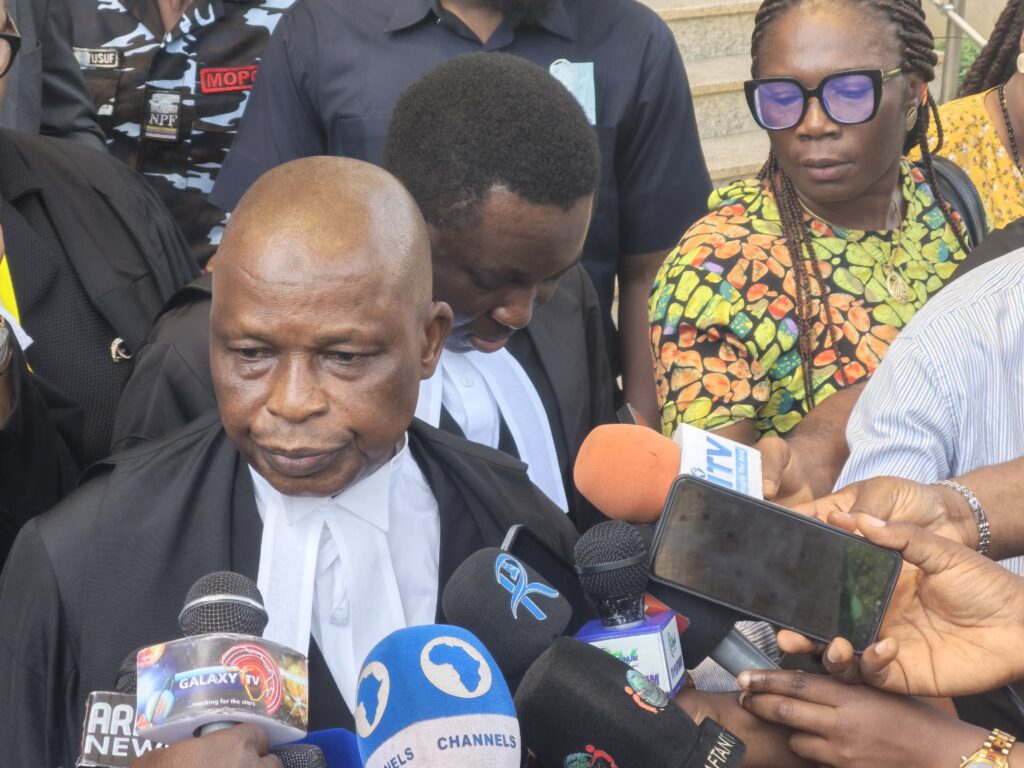
The Attorney-General of the Federation and Minister of Justice, Lateef Fagbemi, SAN, disclosed the figures on Friday, October 23, 2026, after observing proceedings at the court.
According to Fagbemi, approximately 880 cases had been considered since the latest phase of the mass trial began, with 653 defendants convicted, seven acquitted and 27 discharged.
He explained that the figures were provisional because proceedings were still ongoing, adding that a comprehensive report would be released at the conclusion of the exercise.
Federal Government Intensifies Terrorism Prosecutions
The justice minister described the latest proceedings as one of the largest rounds of terrorism trials undertaken by the Federal Government.
He attributed the progress to cooperation among judges, government prosecutors, defence lawyers and security agencies involved in the exercise.
The trials, which commenced on October 16, are being conducted simultaneously in several courtrooms at the Federal High Court in Abuja.
At least 10 judges are participating in the exercise, an arrangement intended to speed up the determination of outstanding terrorism cases.
The initiative forms part of broader efforts to strengthen accountability for terrorism-related offences and reduce delays in the criminal justice system.
Attorney-General Clarifies Journalists’ Access to Court
Addressing concerns about restrictions on media coverage, Fagbemi maintained that journalists were not deliberately excluded from the proceedings.
He explained that security considerations required authorities to regulate entry into the courtrooms because of the sensitive nature of terrorism prosecutions.
The minister said accredited journalists could gain access after completing the necessary identification and security procedures.
He also stressed the importance of media coverage in promoting public understanding of the judicial process.
Defence Lawyers Participate in Mass Trials
Fagbemi also dismissed suggestions that legal representation for the defendants was limited to lawyers from the Legal Aid Council of Nigeria.
He explained that private legal practitioners were equally involved in defending individuals facing terrorism charges.
According to him, some defence lawyers had visited detention facilities to meet their clients and prepare their cases before appearing in court.
Their participation, he said, formed part of efforts to ensure that defendants received legal representation throughout the proceedings.
Rehabilitation and Reintegration Remain Part of the Process
Beyond prosecution, the Attorney-General identified deradicalisation and rehabilitation as important aspects of the government’s wider response to terrorism.
He explained that recommendations relating to rehabilitation were considered in appropriate cases to help individuals reintegrate into society.
The approach reflects the need to address security concerns while supporting lawful reintegration where applicable.
Why the Abuja Terrorism Trials Matter
Nigeria has faced years of insecurity linked to Boko Haram, the Islamic State West Africa Province (ISWAP) and other armed groups, particularly in the country’s North-East.
The prolonged conflict has resulted in deaths, displacement, destruction of communities and a substantial burden on security agencies and the justice system.
Prosecuting individuals accused of terrorism remains a critical part of the government’s response to these threats.
However, the effectiveness of mass trials also depends on adherence to due process, access to legal representation and the transparent administration of justice.
The latest convictions represent a significant development in the Federal Government’s efforts to resolve outstanding terrorism cases.
Authorities are expected to provide updated figures when the current phase of proceedings concludes.