A medical doctor, Dr Marvelous Idemudia, has raised concern over the increasing number of young Nigerians being diagnosed with hypertension and diabetes.
Idemudia, who works with the Economic and Financial Crimes Commission Clinic, said the two conditions, once more commonly associated with older adults, are now being seen more frequently among younger people.
She disclosed this in an interview with the News Agency of Nigeria, warning that the trend should not be ignored.
According to her, unhealthy eating habits, stress, lack of physical activity and poor lifestyle choices are major factors contributing to the rise.
She said many young adults consume too much junk food, salt and sugary products while also living sedentary lives.
Idemudia noted that prolonged stress, poor sleep and failure to maintain healthy routines are also increasing the risk of non-communicable diseases among young people.
She warned that if the trend is not addressed, Nigeria may face a heavier burden of hypertension, diabetes and related complications in the coming years.
The doctor said one major concern is that many young adults do not go for regular health checks because they believe hypertension and diabetes only affect older people.
As a result, she said, many cases are detected late, when complications may have already started.
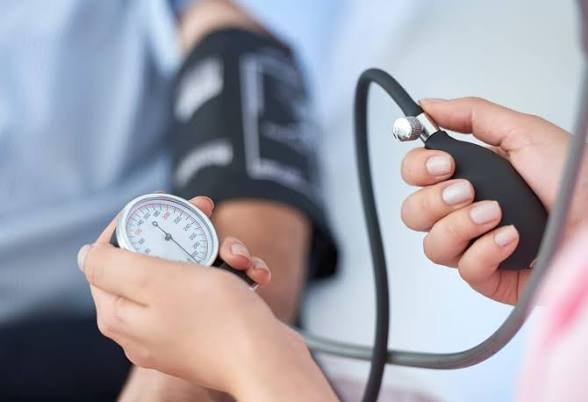
Idemudia advised young Nigerians to check their blood pressure and blood sugar regularly.
She also encouraged them to exercise often, eat balanced meals, sleep well and manage stress more effectively.
According to her, reducing the intake of highly processed foods, excess salt and sugary drinks can help lower the risk of developing hypertension and diabetes.
She urged people with a family history of either condition to take screening more seriously.
Idemudia said early detection and proper management can help prevent severe health problems such as stroke, heart disease, kidney failure and vision loss.
She also called on government agencies, employers, schools, community leaders and organisations to strengthen public awareness on non-communicable diseases.
The doctor said health education should focus on prevention, early screening and lifestyle changes that can reduce long-term health risks.
She added that tackling hypertension and diabetes requires joint action from individuals, families, healthcare workers, employers, communities and policymakers.
Idemudia said young Nigerians should not wait until they feel seriously ill before seeking medical attention.
She maintained that regular screening and healthier daily habits remain important steps in reducing the growing impact of hypertension and diabetes among young adults.