

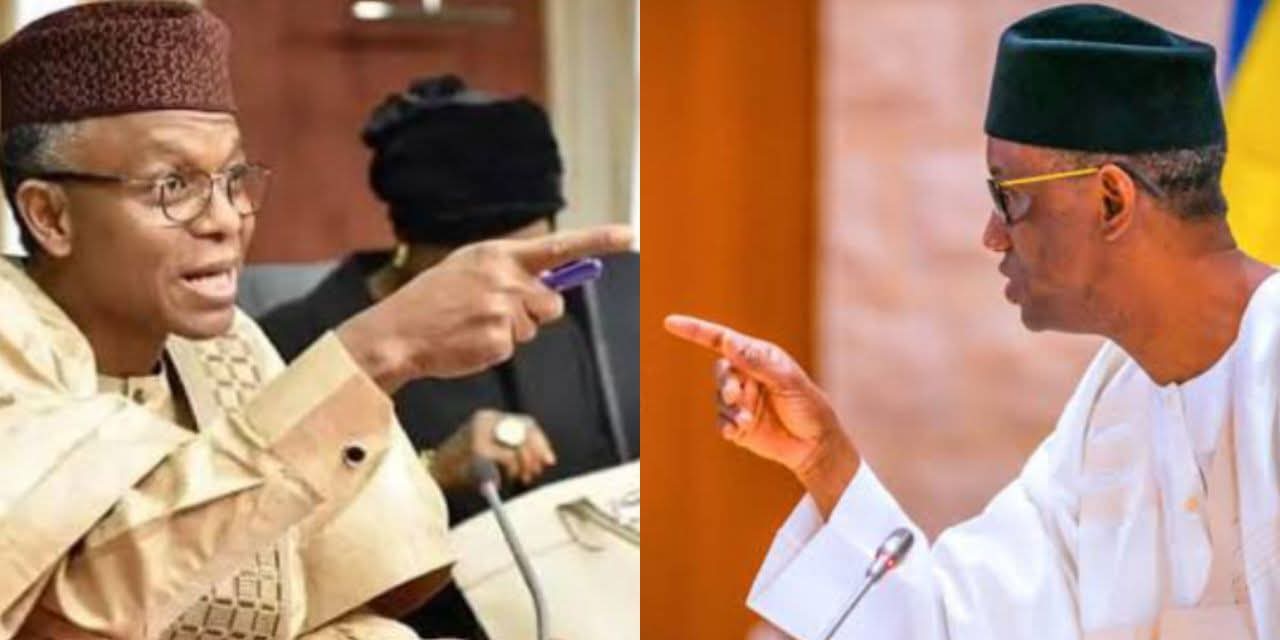
Rather than thaw, the crisis between the National Security Adviser (NSA), Malam Nuhu Ribadu, and former Governor of Katsina State, Nasir El-Rufai, has deepened.
This time, El-Rufai accused Ribadu of importing a poisonous chemical into the country.
Specifically, he declared that the chemical – thallium sulphate – was brought from Poland.
He is, therefore, seeking clarification over the reported procurement of about 10 kilogrammes of thallium sulphate from the Office of the National Security Adviser (ONSA).
In a letter dated January 30, 2026, and addressed to the NSA, El-Rufai said he was writing as a concerned citizen to seek clarification and reassurance regarding information allegedly available to political opposition leaders about the purchase of the highly toxic substance. The chemical was reportedly sourced from a supplier in Poland.
Thallium sulphate is an extremely toxic compound and is subject to strict control due to its potential health and environmental risks.
In the letter, El-Rufai requested detailed clarification on several issues, including the intended purpose and end-use of the substance, the identity of the supplier, and whether the material was imported under an existing chemical or defence permit.
He also asked for disclosure of the total quantity and specific form or concentration of the chemical procured, as well as information on storage and security arrangements upon arrival in the country.
Additionally, El-Rufai sought clarification on regulatory oversight and coordination with relevant public health and environmental agencies, including the National Agency for Food and Drug Administration and Control (NAFDAC) and the Nigeria Centre for Disease Control (NCDC). He further inquired whether any public health risk assessments or hazard-mitigation plans had been developed, given the compound’s extreme toxicity.
El-Rufai stressed that his inquiry was made in good faith and aimed solely at ensuring that due process, safety standards and transparency are observed.
He noted that public confidence in national institutions is strengthened when potential risks are openly addressed and properly managed.


El-Rufai accuses Ribadu of importing poisonous chemical from Poland


Leave a Reply







Latest Stories






© 2026 Published by SWAAYA LIMITED, Plot 20, Block G, Scheme 1, Residential 3, OPIC Beachland Estate, Lagos/Ibadan Expressway, Lagos. Gabriel Akinadewo, MD/CEO 08023010222, 08094000056, 08052097814.