


A Nigerian researcher, Dr Adebayo Jimoh, has called for greater attention to the challenges facing persons with disabilities in communities threatened by coastal flooding, erosion and rising sea levels.
Jimoh made the appeal while presenting his research at the Nigerian Pavilion during the 31st United Nations Climate Change Conference (COP31), currently taking place in Antalya, Türkiye.
His presentation, titled The Impact of Sea Incursion on People with Disabilities in the Coastal Areas of Ondo, Nigeria, examined how environmental degradation is affecting vulnerable residents in Ilaje and Ese-Odo Local Government Areas of Ondo State.
The research brought attention to a dimension of the climate crisis that often receives limited consideration in environmental policies: the particular difficulties experienced by persons with disabilities when their communities are exposed to climate-related disasters.
According to a statement released by Jimoh, the study examined the consequences of coastal flooding and sea incursion, particularly displacement, disruption of livelihoods and the difficulties people with disabilities encounter in responding to environmental emergencies.
He explained that affected residents face additional barriers, including inadequate access to early-warning information, difficulties reaching evacuation centres, limited emergency assistance and reduced opportunities to rebuild sustainable livelihoods.
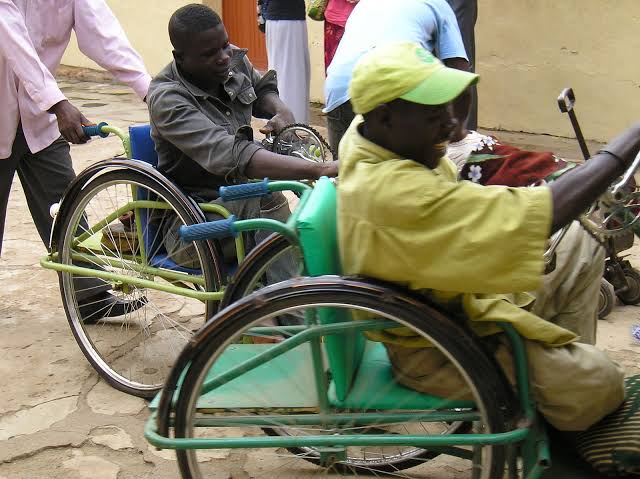
For people with mobility, visual, hearing or other disabilities, these challenges can make an already dangerous situation considerably more difficult.
Jimoh argued that climate adaptation programmes must go beyond protecting coastlines and infrastructure. They should also address the social and economic consequences of environmental disasters, particularly for groups whose needs are frequently overlooked.
He further emphasised the importance of locally generated research in shaping climate policies, noting that evidence from vulnerable communities in developing countries should inform international discussions and practical interventions.
The presentation comes amid growing concerns over the environmental crisis affecting coastal settlements in Ondo State, where repeated ocean surges and shoreline erosion have threatened homes, public infrastructure and traditional sources of livelihood.
Aiyetoro, one of the prominent coastal communities in Ilaje, has experienced years of shoreline destruction, forcing residents to abandon homes and relocate as the Atlantic Ocean advances.
Jimoh’s contribution at COP31 therefore adds an important inclusion perspective to the wider debate on climate adaptation, disaster preparedness and the protection of vulnerable populations.
His central message is that climate action cannot be considered successful if persons with disabilities are excluded from planning, emergency response and recovery programmes.
The 31st United Nations Climate Change Conference is being held in Antalya from November 9 to 20, 2026, bringing together governments, researchers, development organisations and other stakeholders to advance international climate action.
The research presentation reinforces the need for Nigeria’s climate response to recognise that environmental disasters do not affect everyone equally and that effective solutions must include those facing additional barriers to safety and recovery.