The Central Bank of Nigeria (CBN) and the Nigerian National Petroleum Company Limited (NNPCL) have signed a Memorandum of Understanding (MoU) aimed at strengthening financial coordination, improving oil revenue management and supporting Nigeria’s foreign exchange inflows.
The agreement is expected to deepen cooperation between the country’s monetary authority and national energy company, particularly in managing petroleum proceeds, financing energy projects and improving financial transparency.
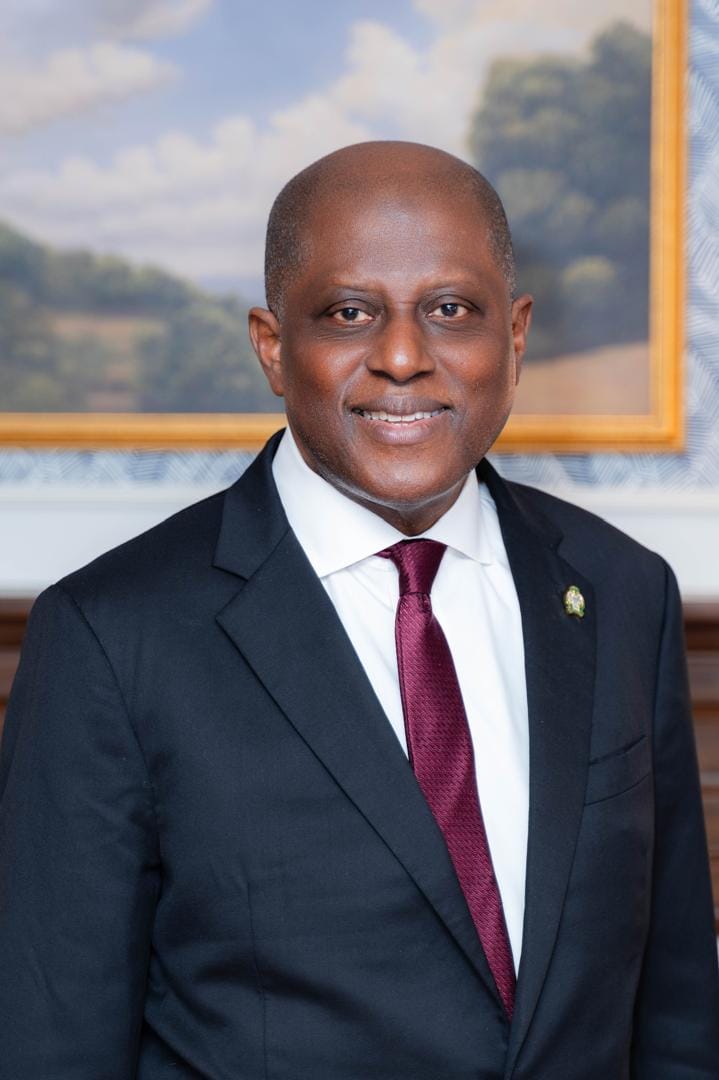
CBN Governor, Olayemi Cardoso, described the partnership as an important step towards strengthening Nigeria’s macroeconomic stability, noting that NNPCL’s operations have significant implications for the country’s external reserves, government revenue and foreign exchange supply.
He made the remarks on Wednesday in Abuja during the signing ceremony.
Oil revenue remains critical to Nigeria’s economy
Cardoso said Nigeria’s oil and gas industry continues to play a major role in economic activity, with petroleum exports serving as an important source of foreign exchange and government income.
He explained that the CBN manages key operational and foreign currency accounts belonging to NNPCL, placing the apex bank in an important position to support the secure and timely movement of petroleum revenues into designated government accounts.
According to him, effective account management, funds transfers and liquidity support are essential to ensuring predictable revenue flows and reducing pressure on the foreign exchange market.
He added that reliable oil revenue inflows become particularly important during periods of economic volatility, when fluctuations in foreign currency supply can affect monetary stability.
Agreement introduces structured cooperation
The CBN governor clarified that the MoU does not establish a new relationship between the two institutions, which have worked together for decades.
Rather, it provides a formal framework for strengthening their existing relationship through regular consultations, information sharing and coordinated action.
The agreement covers several areas, including the monetisation of oil and gas assets, improved funding and liquidity arrangements for NNPCL, faster operational approvals and the modernisation of payment systems.
It will also encourage digital innovation across both organisations’ treasury operations.
Cardoso said the partnership would promote stronger regulatory alignment, ethical conduct, compliance and risk management.
Cybersecurity cooperation and operational resilience also feature in the agreement, including the exchange of relevant threat intelligence affecting the financial and energy sectors.
CBN to support financing of Nigeria’s gas resources
Beyond crude oil revenue management, Cardoso said the partnership could help attract international financial institutions interested in supporting the development of Nigeria’s natural gas resources.
He explained that the CBN would use its institutional influence to facilitate engagement with global financing partners and encourage financial structures capable of supporting major energy projects.
Such arrangements, he said, could complement NNPCL’s efforts to mobilise capital, reduce investment risks and improve the competitiveness of Nigeria’s energy assets.
The agreement will also provide opportunities for staff development and knowledge sharing between the two institutions.
Ojulari says energy and finance must work together
NNPCL Group Chief Executive Officer, Bayo Ojulari, said the agreement reflected the close relationship between Nigeria’s energy industry and its financial system.
He noted that crude oil and natural gas remain important sources of foreign exchange for the country, making effective cooperation between energy institutions and financial authorities essential.
Ojulari recalled that the Petroleum Industry Act (PIA) transformed NNPCL into a limited liability company operating as a commercial entity, with responsibility for improving the value derived from Nigeria’s hydrocarbon resources.
He said a commercially driven national energy company required a transparent and clearly defined working relationship with the country’s monetary authority.
According to him, the MoU establishes common principles for cooperation rather than an arrangement based on individual requests.
Partnership targets stronger investment and financial stability
Ojulari said the collaboration would explore ways to improve trade-related foreign exchange flows, facilitate the movement of export proceeds into the Nigerian economy and strengthen financing opportunities for petroleum projects.
He added that both institutions would work together on energy financing, hydrocarbon monetisation, digital payments, cybersecurity and data protection.
The NNPCL chief executive also said the CBN’s guidance would support improvements in compliance and risk management systems, helping the national oil company meet the standards expected of institutions operating within Nigeria’s financial system.
The agreement will be implemented through a steering committee and joint working committee responsible for coordinating activities and monitoring shared objectives.
For Nigeria, the success of the partnership will ultimately depend on whether improved coordination translates into more transparent petroleum revenue management, stronger foreign exchange inflows, better energy investment and measurable economic benefits.