


The President, Cancer Society of Nigeria, Dr Bawa Abimiku, on Wednesday said cancer killed more people than HIV/AIDS, tuberculosis and malaria combined.
Abimiku, in an interview in Abuja, said: “Cancer causes more deaths than HIV/AIDS, tuberculosis and malaria combined.’’
He spoke on the World Breast Cancer Awareness Day.
The World Health Organisation (WHO) has set aside every Oct. 5 to mark the day to raise level of awareness on early detection of the disease and treatment as well as palliative care.
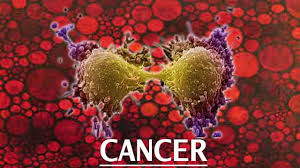
Wikipaedia, the free encyclopaedia, defines cancer as “a group of diseases involving abnormal cell growth with the potential to invade or spread to other parts of the body.
“Not all tumors are cancerous; benign tumors do not spread to other parts of the body.
“Possible signs and symptoms include a lump, abnormal bleeding, prolonged cough, unexplained weight loss and a change in bowel movements.
“While these symptoms may indicate cancer, they may have other causes. Over 100 cancers affect humans.’’
Abimiku said, “The death incidence of cancer is three million in the developed countries, while developing countries account for five million annually according to 2012 Globocan facts and figures.
“Incidence of cancer is globally on the increase with developing countries contributing over 55 per cent of the global cancer burden.
“There are 14 million new cases worldwide with 7.7 million cases recorded in developing countries.
“According to the report, one in eight deaths was traced to cancer, while eight million deaths were being recorded annually.’’
The expert said early detection of cancer could help in curtailing the spread of the disease, adding that breast, cervical and prostate cancer were the commonest.
He said that lack of awareness, cultural belief, environmental pollution, lack of cancer screening policy, inadequate cancer registration, high cost of treatment were responsible for increasing rate of the disease.
According to him, certain types of cancer can be prevented by eliminating exposure to offending chemicals/micro-organisms and other factors that can accelerate its growth.
Abimiku said that breast cancer was the commonest in women, both in the developed and developing countries.
He said that the incidence had been on increase in the last few years in low and middle-income countries due to increase in life expectancy, urbanisation and adoption of Western lifestyles.
The expert said that lack of knowledge about the causes of breast cancer was responsible for its increase among women, adding that early detection was key to its control.
“When breast cancer is detected early, and adequate diagnosis and treatment are available, there is a chance that breast cancer can be cured.
“ If detected late, however, curative treatment is often no longer an option.
“In such case, palliative care to relief the suffering of the patients and their families is required,’’ he said.
WHO promotes comprehensive breast cancer control programmes as part of the national cancer control plans, and recommends early detection strategies for low and middle income countries.