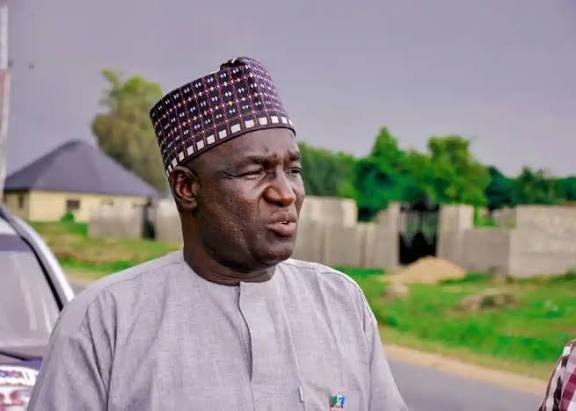
Sen. Diket Plang, representing Plateau Central Senatorial District, has said that Nigeria’s democratic journey should embrace the creation of more states to achieve a true federal balance.
Plang made the call in an interview with newsmen in Abuja on Tuesday.
Freedomonline reports that the National Assembly is currently reviewing the 1999 Constitution, with the committee considering a total of 69 bills, including 55 state creation requests, two boundary adjustments and 278 local government creation proposals.
All states currently existing in Nigeria were created under military administrations.
Speaking on the issue, Plang said: “My prayer is that the democratic administration, for once, should be able to come out with additional states.
“We bhave never done that. Almost all state creations were done by the military and I feel that we should have the capacity to add at least one or two more states to the country.
“We pray and hope that we will be brave enough to create additional political constituencies, whether local governments, states or more federal legislative seats, from the Senate down to the councillorship level.”
The senator noted that population growth and expanding constituencies made the creation of new administrative units necessary.
“A child grows, constituencies grow, wards grow and so do local governments and states. The purpose of creating states is to ensure that government is closer to the people,” he said.
Plang, who chairs the Senate Committee on Labour, Employment and Productivity, added that population pressures and administrative challenges justified such restructuring.
“When the population becomes too much, you feel the need to divide areas again so that governance can be closer to the people,” he explained.
“Nigeria has grown and it is time we considered more states. I understand the financial implications and sentiments make people cautious, but the need remains.”
Commenting on proposals suggesting the creation of one new state per geo-political zone, Plang expressed support for a balanced approach.
“I was pleased with one proposal from the South-South, where people from about three states are coming together to form a new state,” he said.
“They’re not dividing a single state but merging communities from a common boundary to form a new one. Until we see the details, there’s no need for complaints.”
He added that fairness and necessity should guide the process.
“With six geo-political zones, it’s not a bad idea to create one new state per zone if the need arises. A journey of a thousand miles begins with a step, so we can’t say no to that.”