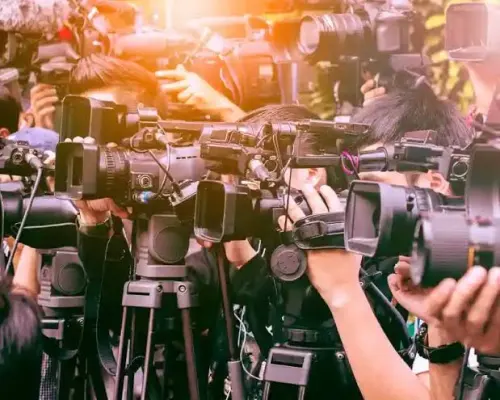
Stakeholders in the media industry in North-East have cautioned journalists against sensational reportage to facilitate credible and peaceful 2023 general elections.
The stakeholders including media practitioners, politicians, unionists and activists spoke while responding to a survey on political thuggery in Bauchi, Damatruru, Dutse, Gombe and Yola.
They described media as critical towards ensuring violence-free, fair and credible elections in the country.
Mr Saidu Malala, Chairman, Nigeria Union of Journalists (NUJ) in Gombe State, said media had a critical agenda-setting role towards promoting peace and harmony in the country.
He said the support of journalists through peace-oriented news would help create a peaceful political atmosphere that contribute to the integrity and credibility of elections.
“Journalists have a duty to report issues that will not fuel violence in the country, even though we have a responsibility to inform the public in a professional manner.
“There are reports that may trigger violence if not handled properly in line with the professional ethics, we must be guided in this regard.
“We need peace not just for election but for our everyday activities, and as critical stakeholders we owe the society reportage that will promote peace and unity,” he said.
While urging journalists to be objective, Malala advised them to be security conscious so as not to become victims of violence or thuggery during electioneering campaigns.
“You must assess the security situation of any event before you embark on any journey to cover events.
“Don’t put yourself in a position where you will be vulnerable in view of the increase in thuggery in Gombe State,” he said.
Also; Mr Rajab Muhammad, the Council Chairman in Yobe, tasked media organizations to shun airing programs capable of disrupting peace ahead of the 2023 elections.
He noted that such inciting programs were against the ethics of the profession, and stressed the need for media practitioners to be objective as enshrined in the NUJ constitution.
“Reporters and sub-editors should aim at objectivity while dealing with political stories. They should not allow their personal bias or ideas to creep into a story.
“They should not take sides but try to present divergent views to achieve balance in their reportage,” he said.
Muhammad also urged politicians to avoid desperation in politics, adding that do-or-die politics is inimical to the entrenchment of democratic governance.
In his contribution, Shettima Ja’afar, Director, National Orientation Agency (NOA) in Borno, attributed thuggery to desperation exhibited by some politicians.
He said it was good for the media to sanction airing inciteful and vulgar language by politicians during their campaigns.
This, he said, was necessary towards ensuring hitch free election, adding that, “the media as major stakeholder should not be promoting contents that will jeopardies the process.
“Reporting hate speech by the media will create tension and violence if not handled with caution”.
According to him, the Agency in collaboration with other stakeholders will create a forum for collective action towards violent-free election.