Yes, I love Tinubu’s way, especially when it comes to rewarding loyalty and carrying his people along. Off the top of my head, I can list over 20 people who have been with him for over 30 years now and are still occupying sensitive positions in his government or around him.
In our political environment where alliances are often transactional and friendships expire after elections, President Bola Ahmed Tinubu, GCFR, has built a reputation for something remarkably different – institutional memory anchored on loyalty. Love him or loathe him, one thing even his fiercest critics admit is that Tinubu does not forget his people.
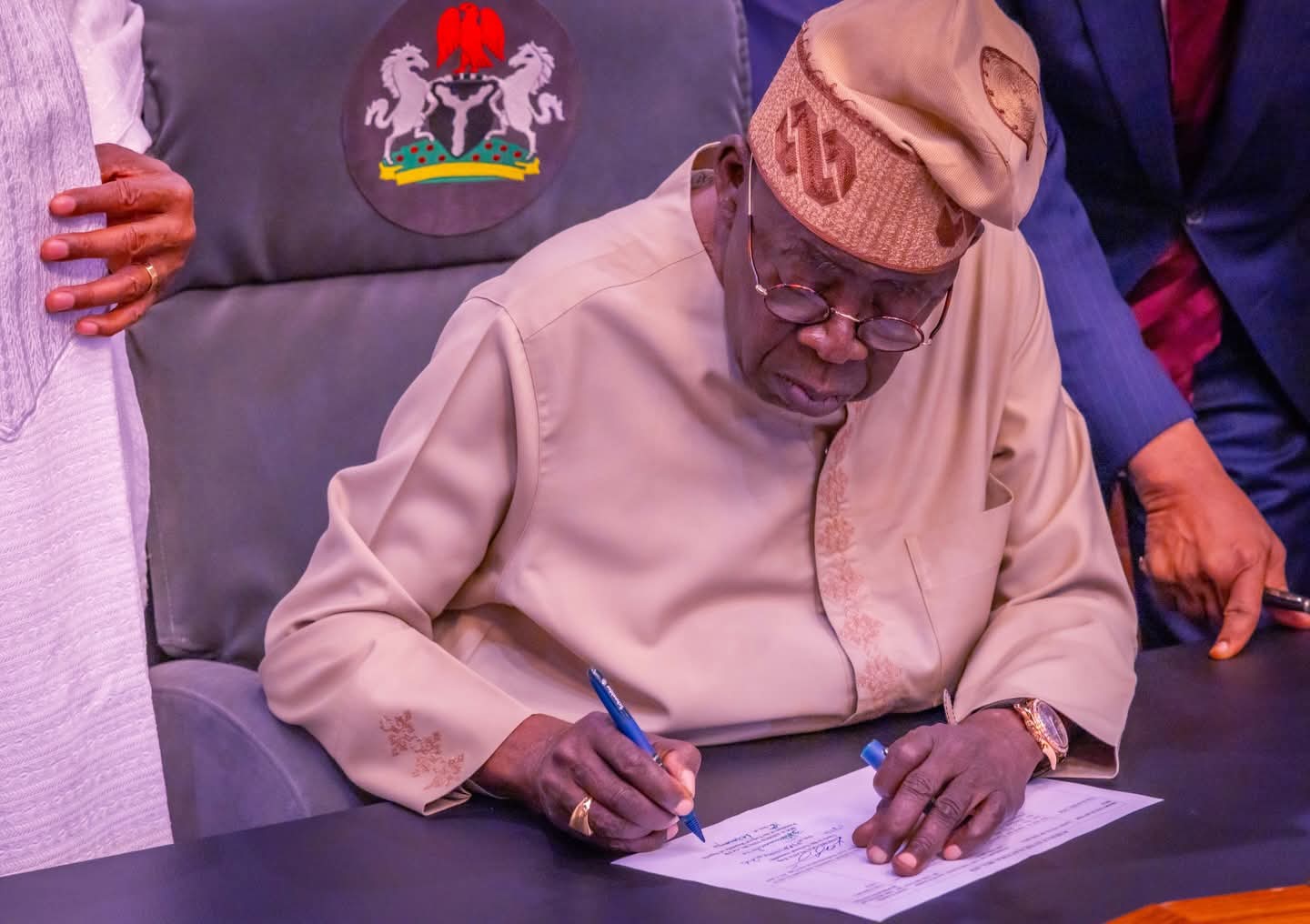
From his days as Governor of Lagos State, between 1999 and 2007, Tinubu cultivated a political family rather than just a cabinet. Many who worked with him in those early days – like Dele Alake, Yemi Cardoso, Tunji Disu, Kayode Egbetokun, Wale Edun, Bayo Onanuga, Hakeem Muri-Okunola, Sunday Dare, Toyin Subair, Tunde Rahman, Joe Igbokwe, Tunji Bello, Louis Odion, Femi Pedro, etc – remain within his orbit; some as ministers, advisers, diplomats, legislators, party leaders and strategic power brokers. Take Babajide Sanwo-Olu, who served in Lagos under Tinubu’s political structure long before becoming Governor. Consider Femi Gbajabiamila, a long-time ally who moved from legislative leadership to Chief of Staff to the President. Look at Nuhu Ribadu, who, though not originally from the Lagos political family, has maintained a long-standing association within Tinubu’s broader political coalition. Then there are party loyalists who stood by him when the road was rough – during the days of opposition politics when aligning with him was not fashionable, nor politically convenient. Today, many of them are not abandoned foot soldiers; they are stakeholders.
Tinubu’s years in Lagos were not merely administrative; they were foundational. He built structures – political, economic and technocratic – that outlived his tenure. Those who proved capacity and loyalty in that era became part of a network that matured over decades. This is not accidental. It indeed reflects a leadership philosophy. Politics, he has proven, is not a sprint; it is a relay. You build people, you trust them, and when power rotates, you carry them along. Critics may label it patronage. Admirers call it consistency. But whichever lens one chooses, the pattern is undeniable.
Tinubu’s method is not blind loyalty and sans results. Many of those who remain around him have survived because they delivered – in governance, elections, party organisation or policy execution. In Jagaban’s world, loyalty opens the door; performance keeps you in the room. This is why his political family has endured for over three decades. In Nigeria’s volatile political climate, that kind of continuity is rare.
Interestingly, what stands out most about Tinubu’s way is the human element. Politics, at its core, is about relationships. While others discard allies once usefulness wanes, Tinubu appears to understand the long game of gratitude. He remembers who stood with him when he was fighting federal might as Lagos Governor. He remembers those who kept party structures alive when defeat seemed imminent. And now, as President, he has opportunities to reward that endurance. In fact, in a country where betrayal is often considered a strategy, Tinubu has made loyalty fashionable again.

Of course, this style carries some risk. Surrounding oneself with long-time loyalists can breed insularity. It can also reduce fresh perspectives if not carefully balanced. And that is because leadership at the national level requires constant renewal, new energy, and inclusion beyond old circles. Yet, if properly managed, experience plus loyalty can also translate to stability – something Nigeria desperately needs.
But whether one supports his policies or not, there is something instructive about Tinubu’s consistency. Institutions are built by people. And people thrive where loyalty is valued and effort remembered. Tinubu’s way teaches a simple political truth: relationships are investments. If you water them, they grow into structures that outlast individual ambition. And in an era of shifting alliances and disposable friendships, that may be his most enduring legacy – a reminder that in politics, as in life, those who stand with you through the storms deserve to walk with you in the sunshine.
Before I go, when is Asiwaju ironing things out with one of his core loyalists, Aregbe?
*Azuh Arinze, FNGE, is the Publisher/Editor-in-Chief of YES INTERNATIONAL! Magazine and author of important books like The CEO’s Bible 1 and 2, Anything and Everything Journalism, Conversations With Showbiz Stars, Encounters: Lessons From My Journalism Career, My Story of Many Colours, Tested and Trusted Success Secrets of the Rich and Famous, A Taste of Success, Success Is Not Served A La Carte, etc