Former Senator representing Ogun Central, Senator Iyabo Obasanjo, has strongly criticised the culture of political opportunism and defections in Nigeria, describing the practice as damaging to democratic growth and institutional stability, while calling for deeper reforms in legislative practice, gender inclusion, and political leadership.
Speaking in an exclusive on Frontline, a public and current affairs programme on Eagle 102.5 FM, Ilese Ijebu, on Wednesday, Obasanjo described Senator Solomon Adeola (Yayi) as an opportunist, accusing him of political migration driven purely by ambition rather than service.
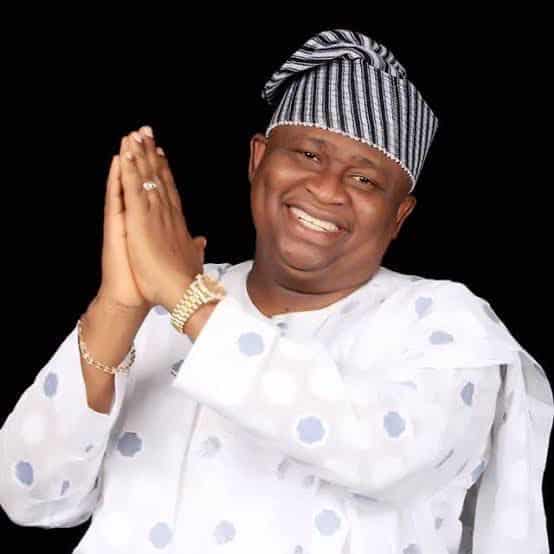
“Yayi is an opportunist. He has never supported anybody from the West, yet now he positions himself as a contender. Politics is not about coming into a state just because it is advantageous to you. You have to build a connection with the people, understand the grassroots, and be part of the system. Opportunists move around, picking what benefits them, but that is not how sustainable leadership is built.”
“I have supported candidates from the West; I have organized people there. I know the terrain, I know the population, and I know what it takes to prepare a candidate who can truly represent the West. For me, credibility comes from consistency and dedication, not convenience or short-term gains. I believe that is how we ensure real leadership that benefits the people, not just individual ambitions.”
Senator Solomon Olamilekan Adeola, popularly known as “Yayi,” has made history in Nigerian politics by becoming the first legislator to represent two senatorial districts in two states. After a decade-long legislative career in Lagos—where he served as a member of the House of Assembly (2003–2011), the House of Representatives (2011–2015), and two terms as the Senator for Lagos West (2015–2023)—Adeola successfully shifted his political base to his ancestral home in Ogun State. In the 2023 general elections, he won the seat for Ogun West Senatorial District, a transition often described by political analysts as a “West-to-West” masterstroke that effectively bridged his seasoned Lagos influence with his roots in Yewaland.
“I do not believe in opportunistic politics. You do not change states, local governments, or political bases just because it becomes easier to win elections there. That is not how a serious democracy should work.” She added.
She warned that frequent political defections weaken institutions and erode public trust.
“If everybody begins to choose where it is easiest to win, then we will destroy the foundations of our political system. Democracy grows when politicians grow with their people, not when they shop for constituencies.”
She also spoke extensively on her political journey, legislative reforms, the ongoing debate around part-time legislature, women representation, power rotation in Ogun State, and the evolving nature of Nigerian democracy.
According to her, political consistency is essential for democratic development.
“You stay where you started, you build structures, you serve the people, and you grow with them. You do not abandon your base simply because ambition is calling elsewhere.”
On Her Defection from PDP

Senator Iyabo Obasanjo spoke candidly about her decision to leave the Peoples Democratic Party (PDP), describing it as a culmination of years of being undervalued despite her longstanding commitment. She recounted how the party often reached out only when it needed her to mobilize support during elections, sidelining her contributions and insights in the process.
“They only reached out to me when they needed my support to garner votes during elections. It was like they forgot all the years of work I put in, only remembering me when it suited their immediate political goals,” she said. “I found that frustrating, and frankly, I thought it was foolish for a party to ignore the people who have dedicated themselves to building its foundation.”
Reflecting on the missed opportunities for genuine engagement, Obasanjo explained that the PDP’s selective approach to loyalty and recognition left her with little choice but to seek a platform where her experience and voice would be consistently respected. “They never contacted me at the right time, never valued my insight, and yet expected me to deliver results for them during campaigns. That kind of opportunism is what ultimately pushed me to look elsewhere,” she said. “I had to ask myself: do I want to remain in a system where I am only seen as useful when convenient, or do I take my experience and my work directly to the people who need it? It was clear to me that I could not continue under those conditions.”
Her defection, she emphasized, was not a rejection of political engagement but a strategic move to align herself with a platform that recognizes commitment and enables her to make a tangible impact.
Part-Time Legislature Debate: Democracy Must Evolve
Obasanjo also weighed in on the growing national conversation around the possibility of a part-time legislature, stressing that democratic systems must remain flexible and responsive to societal change.
“Nothing in democracy is written in stone. Institutions must evolve as society changes. When certain laws were made, society was at a very different stage of development. Today, realities have changed, and our democratic structures must reflect that.”
She used the example of local government funding arrangements to explain how constitutional provisions can become outdated.
“When the constitution was written, many local governments did not have bank branches, so funds were routed through state governments. Today, every local government operates electronically and can access its funds directly. Society has moved on, but our laws have not fully adjusted.”
She said the debate around part-time legislature deserves serious engagement, not emotional reactions.
“We need proper national conversation, careful examination of the advantages and disadvantages, and honest evaluation of how best to make our legislative process more efficient.”
Women in Politics: Reserved Seats and Structural Barriers
Speaking on the challenges confronting women in Nigerian politics, Obasanjo strongly supported the proposal for reserved legislative seats for women, describing it as a necessary intervention.
“Reserved seats for women is a good thing. It is good for society, good for democracy, and good for governance. It is a win-win for everyone.”
She said the political system remains structurally unfriendly to women, despite their proven capacity.
“The problem is not lack of competence. Women have shown capacity across sectors. The real barriers are cultural, financial, and institutional.”
“In other climes, like in Scandinavia, women have reserved positions and are very active in governance. It works there because society has embraced it, and it strengthens democracy. I think we can learn from that modelgiving women opportunities through reserved seats is not charity; it is good governance and ensures we harness the talents and perspectives of half the population.”
The Obasanjo Legacy
Senator Iyabo Obasanjo reflected on the unique lens through which her political journey is viewed, acknowledging both the opportunities and the scrutiny that come with being the daughter of former President Olusegun Obasanjo. She described her heritage as a responsibility that shapes her approach to governance and her engagement with the people.

“Being the daughter of a former president is not just a title; it is a responsibility,” she said. “People expect a certain level of integrity, a certain level of commitment, and I have to ensure that I live up to that every single day. It’s not about taking credit for my father’s achievements—it’s about building on a legacy of service and showing that I can make a difference in my own right.”
Obasanjo emphasized that her political decisions, including her defection from the PDP and her alignment with new political movements, are informed by this sense of duty. “I have to consider the impact of my choices on the people I represent, and I cannot allow personal ambition to overshadow that responsibility. My father’s name opens doors, yes, but it also demands that I perform, that I demonstrate capability, and that I earn the trust of the citizens independently.”
She further highlighted that her lineage has given her a perspective on national politics that is both historical and practical. “I grew up seeing the complexities of governance firsthand. That insight informs how I strategize, how I engage with constituents, and how I position myself to lead effectively. It is a constant reminder that leadership is about service, not just symbolism.”
Ogun Politics, Power Rotation and Grassroots Connection
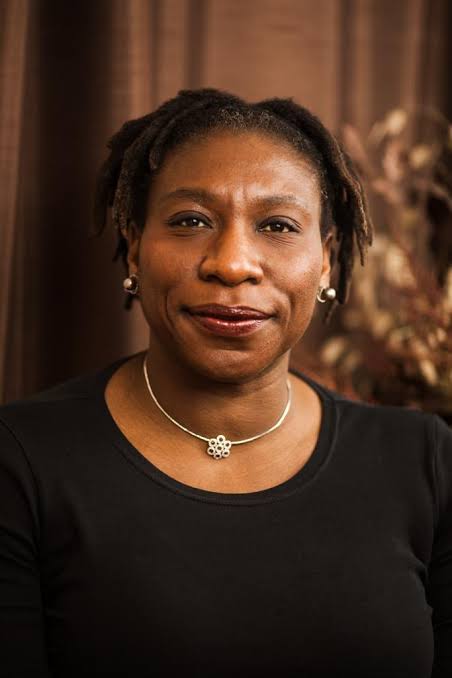
On the politics of power rotation in Ogun State, Obasanjo said there was no legal framework enforcing zoning but insisted that fairness and inclusion demand deliberate political balance.
“There is no law on rotation, but fairness demands that every zone should have the opportunity to produce leadership. Ogun West has never produced a governor, just as Nigeria has never produced a president from the South-East.”
She said leadership must go beyond physical projects to include direct engagement with the people.
“Politics is about how well you participate in people’s lives. It is about being accessible, listening, and maintaining constant connection with the grassroots.”
Experience, Age and Political Responsibility
Reflecting on her long political journey, Obasanjo described politics as demanding, rigorous, and deeply sacrificial.
“Politics is not for the faint-hearted. You must meet people daily, listen to them, and constantly engage. It is physically and emotionally demanding.”
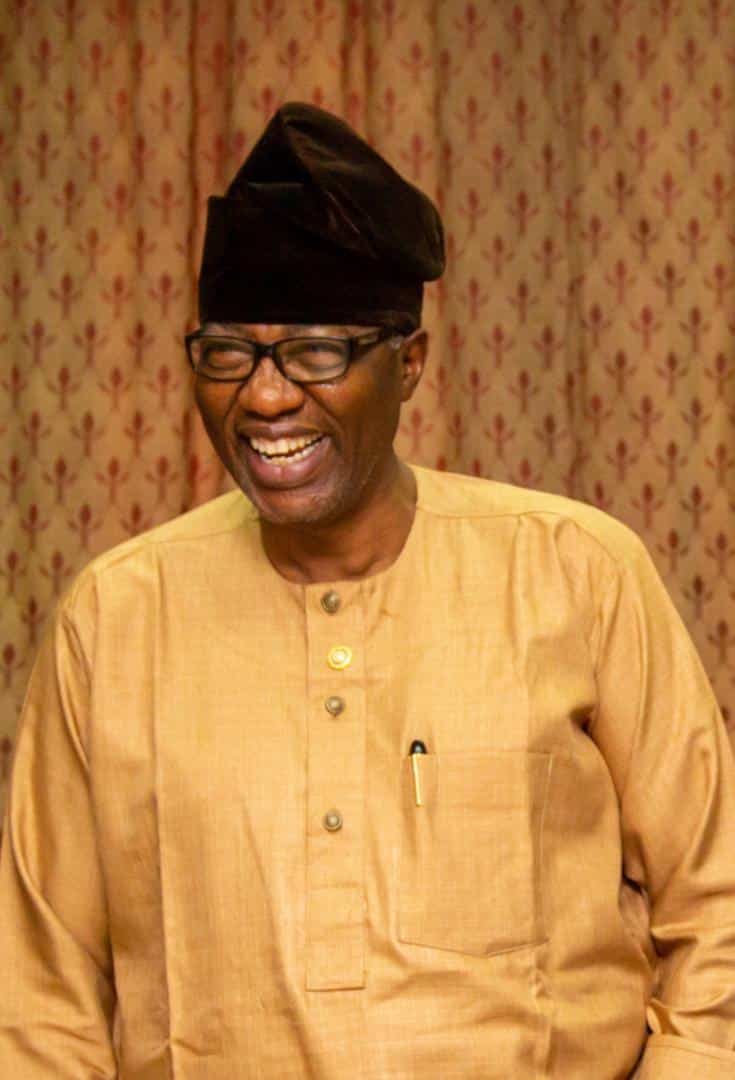
“I have been part of Ogun politics from the start. I worked closely with Gbenga Daniel and Ibikunle Amosun, and I know the system inside out. I have paid my dues, and I understand what it takes to connect with the people at the grassroots. That experience has given me the capacity to lead effectively, and I believe by 2027 I can organize our people, especially in the West, to produce candidates who truly represent their interests. Politics is about consistency, commitment, and being present in people’s lives—not just doing projects, but really engaging with them every day.”

She said age and experience should translate into mentorship and institutional strengthening.
“As we grow older, our role should be to help build institutions, mentor younger people, and strengthen democratic culture”.