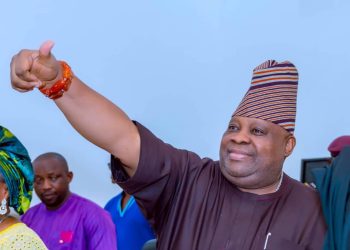
The General Superintendent of Holy Spirit Missions (Happy Family Centre), Bishop Charles Ighele, has called on Christian journalists to embrace digital platforms, build personal influence and prepare early for life beyond active service.
He spoke recently at the Christian Faith Reporters Association (CFRA) annual training and Retreat 2026 in Lagos, themed “The Future of Faith Reporting in Nigeria: Threats, Opportunities and Relevance.”
Ighele highlighted the dual nature of social media in modern journalism.
“Social media has come, and it has become a major force. If you don’t position yourself well, you can become irrelevant,” he said.
“You must understand what your employer allows. Are you permitted to run a podcast? Can you operate a personal counselling page? If there is a threat, you must learn to operate within it.”
He emphasised that building influence beyond formal roles is critical. “Right now, it is about influence. You must make a name for yourself beyond what you are doing officially,” he said, urging journalists to stay proactive and creative within professional and ethical boundaries.
Addressing career sustainability, Bishop Ighele, who serves as the CFRA BoT Chairman stressed the importance of planning for retirement from the very first day on the job.
“The day you start working is the day you should start preparing for retirement,” he said. “The older you get, the less energy you may have to make money. Diversify and build something you can rely on after your career ends”.
In his keynote address, the Contributing Editor of Conversation Africa, Mr. Wale Fatade, urged journalists to prioritise punctuality, integrity, and proactive retirement planning.
Speaking to attendees, Fatade emphasised the importance of cultivating good habits early in one’s career, particularly punctuality and tact.
Fatade encouraged journalists to diversify their skills and knowledge. “Read very widely. Stay on top of your game. Network because no one succeeds in life alone. What you sow is what you will reap,” he said.
He advised young journalists to study languages such as Yoruba, Igbo, and French, alongside subjects like History, Statistics, and Mathematics, noting that indigenous languages are increasingly underrepresented in media.
Integrity in journalism was a recurring theme of his address. Drawing from I Samuel 12:2, Fatade highlighted the example of the Prophet Samuel, who sought to lead without defrauding or oppressing anyone.
“When your journalism career is over, can you say you have not collected money to write or change a story? If you do not publish the truth, others will,” he warned.
He also discussed the challenges of bias in reporting, referencing his freelance experience with the BBC, which conducts annual “bias tests” to identify personal prejudices. Fatade urged reporters to navigate their biases carefully and avoid sensationalism, noting that journalism is a team effort and that ethical practice speaks louder than formal qualifications.
Reflecting on his decades-long career, Fatade stressed the significance of early financial and professional planning. “You should be able to live well more than twenty years after retirement based on your plan,” he said.
He recounted his own retirement preparations, including the establishment of a Yoruba community radio station in Osun State aimed at supporting him and his family post-retirement.
In his presentation, A media consultant and Project Manager at the International Press Centre, Sanmi Falobi, urged the participants to embrace deliberate goal setting as a pathway to building successful and sustainable careers.
He took them through a joint practical session of identifying key challenges of their career goals, and identifying key action points and steps to attain measurable, progressive milestones achievements in pursuit of specific career projections.
According to him, goal setting remains a critical ingredient for professional growth in the media industry. He challenged participants to carry out honest self-evaluation by identifying their strengths and weaknesses.
“You must celebrate your strengths and address your weaknesses frontally,” he advised, noting that personal development requires intentional effort and continuous improvement.
Falobi further encouraged media practitioners to take a second look at their careers and consider diversifying their sources of income. In view of the changing media landscape and economic realities, he stressed that journalists should not rely solely on traditional newsroom salaries but explore other legitimate opportunities that align with their skills and expertise.
Earlier, CFRA President, Adeola Ogunlade, welcomed participants, describing the retreat as a critical moment for reflection and recommitment.
Ogunlade described the gathering as “a moment of reflection, renewal, and recommitment,” emphasizing that how Christian faith is reported affects national unity, public trust, and the moral compass of society. He urged journalists to resist sensationalism, uphold truth, and report with balance, courage, and compassion.
“The future of Christian faith reporting will be shaped by how well we respond to emerging threats: misinformation, economic pressure, digital disruption, and declining trust, while boldly embracing opportunities for impact and relevance,” he said.
Ogunlade encouraged members to view journalism not merely as a job, but as a calling, stressing the importance of ethics, lifelong learning, and unity. “Let our reports heal rather than divide, enlighten rather than confuse, and inspire hope rather than despair,” he added.
Looking ahead, he challenged CFRA members to ensure the association becomes a credible, trusted voice in Nigeria’s media space, leaving a lasting legacy for future generations of Christian faith reporters
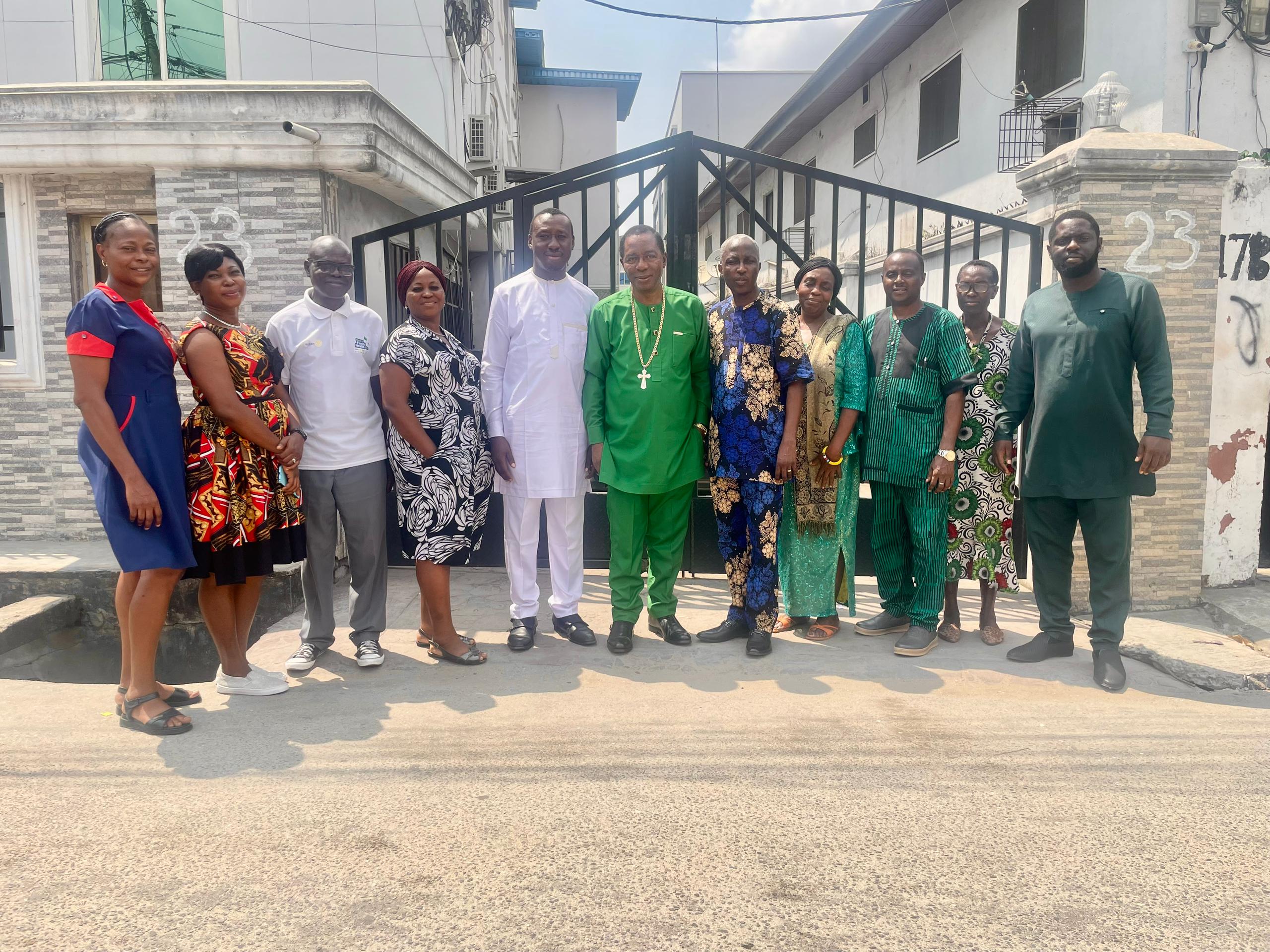
The retreat featured lectures, discussions, and strategy sessions aimed at equipping Christian reporters to remain credible, ethical, and relevant in Nigeria’s evolving media landscape.